Spiritual Symbology Demystified

Padma or Lotus Flower
A symbol of purity, enlightenment, and rebirth, it is deeply revered in Hinduism and Buddhism. Padma is the lotus flower, Nelumbo nucifera, perfection of beauty, associated with Deities and the chakras, especially the 1,000-petaled 'sahasrara.' Rooted in the mud, its blossom is a promise of purity and unfoldment.
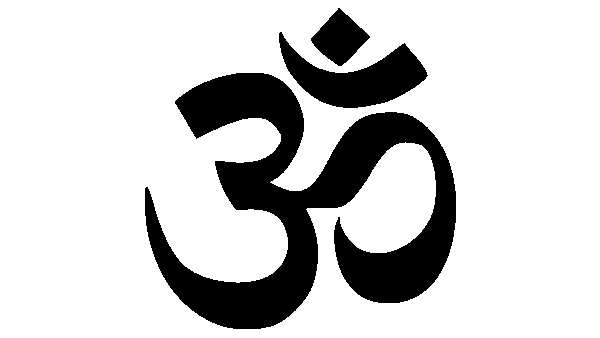
Om
A sacred sound and spiritual symbol in Hinduism, representing the universe and ultimate reality. Om, or Aum, is the root mantra and primal sound from which all creation issues forth. It is associated with Lord Ganesha. Its three syllables stand at the beginning and end of every sacred verse, every human act.
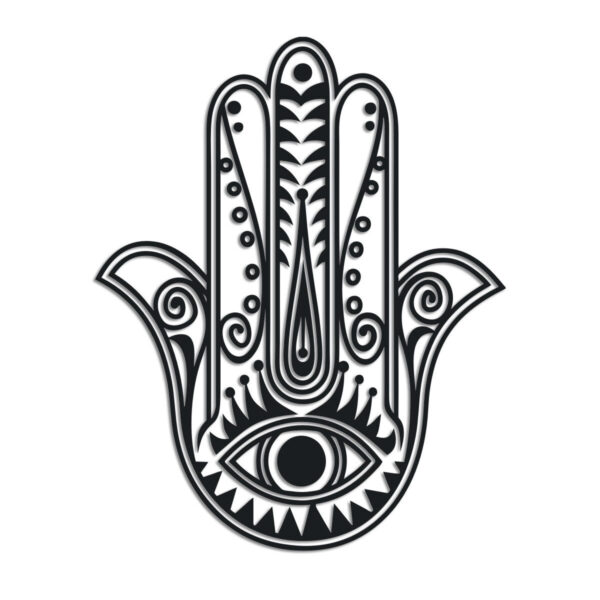
Hamsa Hand
The hamsa, also known as the "Hand of Fatima" or "Hand of Miriam", is a palm-shaped amulet popular in the Middle East and North Africa, and increasingly recognized in other parts of the world. It's widely used as a symbol of protection, particularly against the "evil eye" and negative energies. The hamsa is a versatile symbol with roots in multiple religions, including Judaism, Islam, and Christianity.
The direction a hamsa hand faces, either up or down, changes its meaning. Facing up, it's a symbol of protection, warding off the evil eye and negativity. Facing down, it's often seen as a symbol of blessings, abundance, and welcoming goodness into one's life. Essentially, it acts as a shield against external and internal negativity.

Torii Gate
A traditional Japanese gate, often found at the entrance of Shinto shrines, marking the transition from the mundane to the sacred.
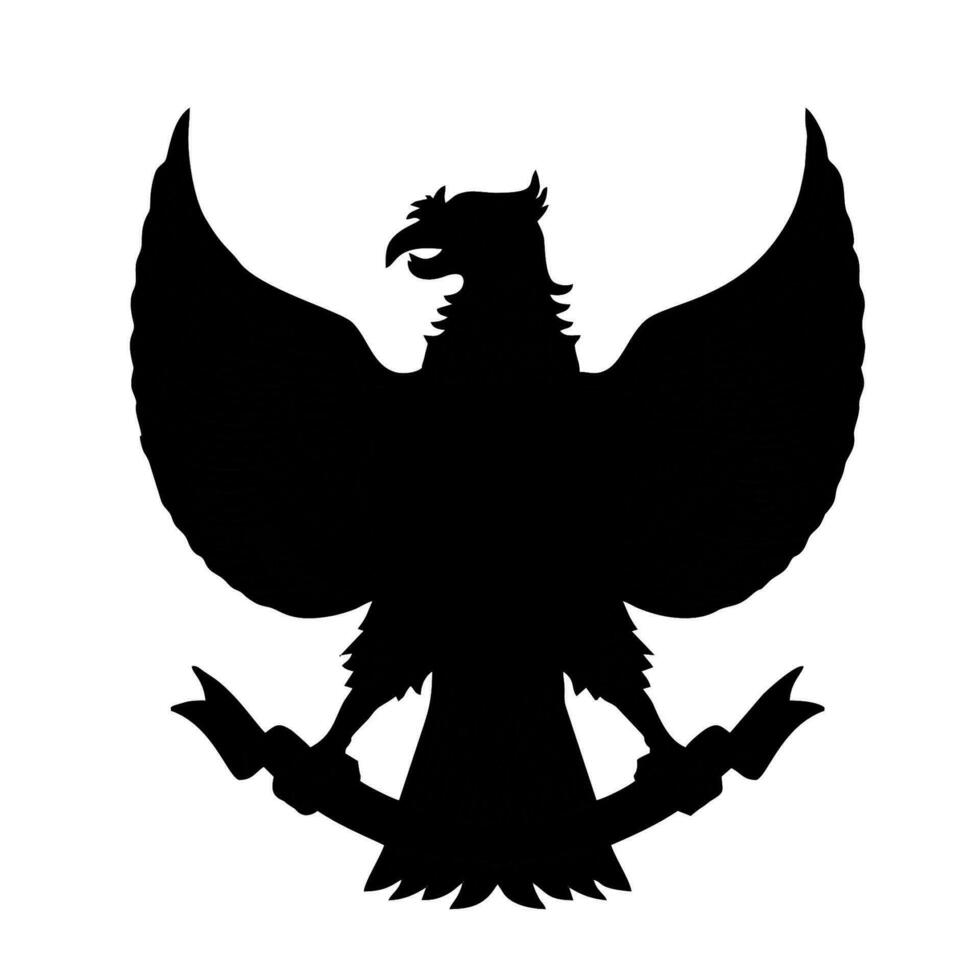
Garuda
Garuda is a prominent figure in Hindu, Buddhist, and Indonesian culture, often depicted as a large, bird-like creature with the head, wings, and talons of an eagle and the body of a human. In Hindu mythology, Garuda is the mount (vahana) of the god Vishnu and is known for his strength, speed, and role as a protector against evil. He is also a symbol of freedom, independence, and the triumph of good over evil. In Indonesia, Garuda is the national symbol, representing power, strength, and the nation's independence.
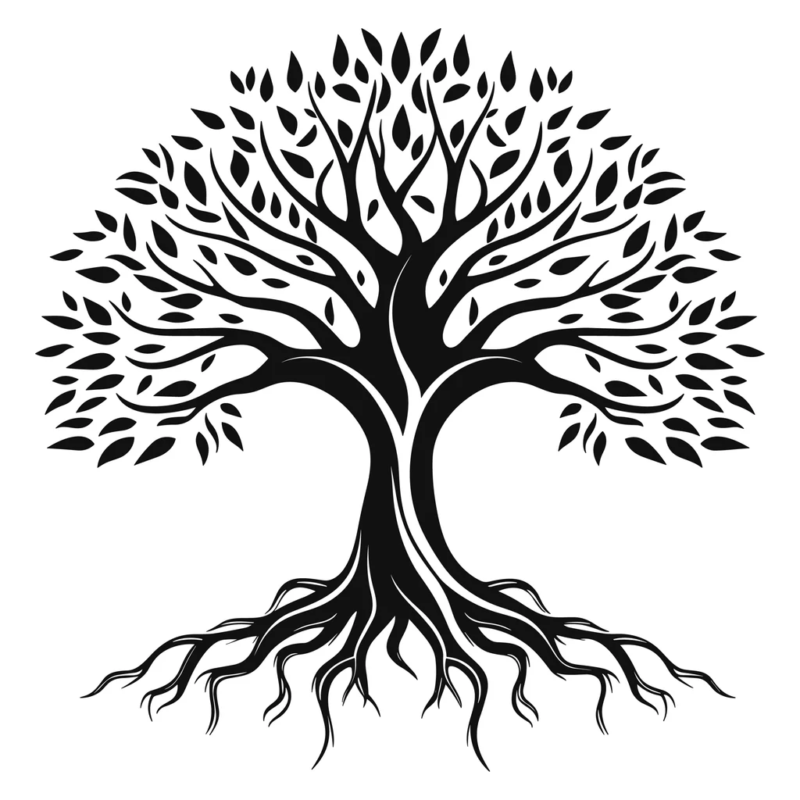
Tree of Life
A universal symbol found in various Eastern traditions, representing interconnectedness, growth, and the cyclical nature of existence. It's frequently used as a metaphor for the relationship between all living things on Earth.
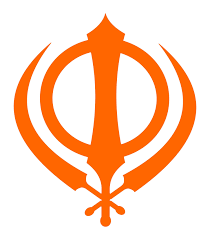
Khanda
A symbol representing the Sikh identity and faith, consisting of a double-edged sword, a circle, and two swords.
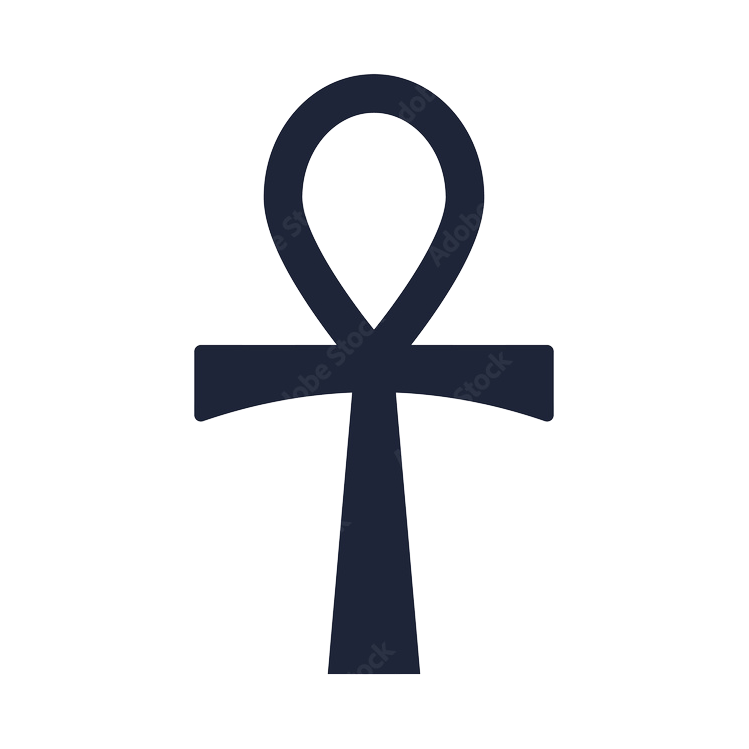
Ankh
The ankh symbol, a looped cross, is a significant hieroglyphic character in ancient Egyptian culture, often referred to as the "key of life" or the "key of the Nile". It represents life, immortality, and the union of male and female principles.
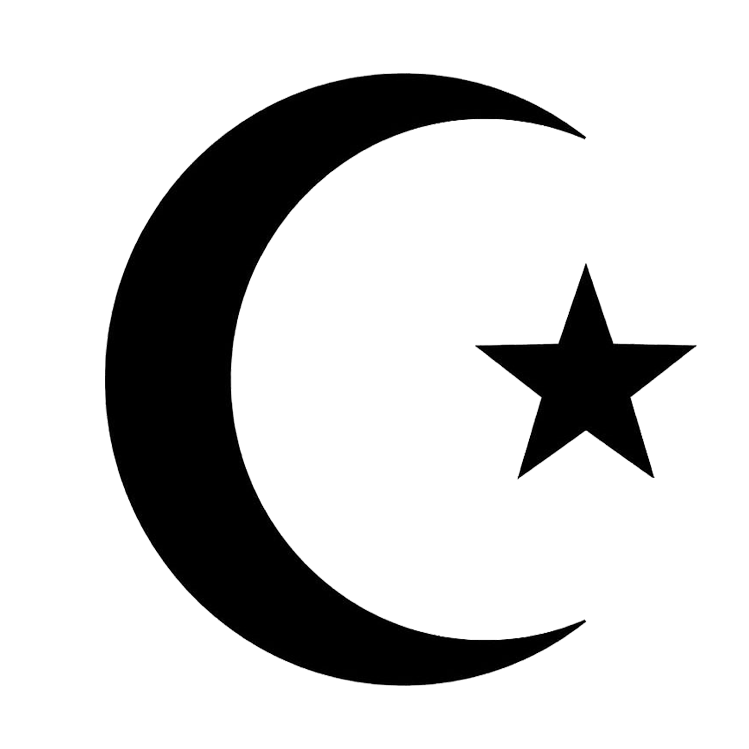
Crescent Moon & Star
The conjoined representation of a star and a crescent is used in various historical contexts, including as a prominent symbol of the Ottoman Empire, and in contemporary times, as a national symbol by some countries, and by some Muslims as a symbol of Islam, while other Muslims reject it as an Islamic symbol.
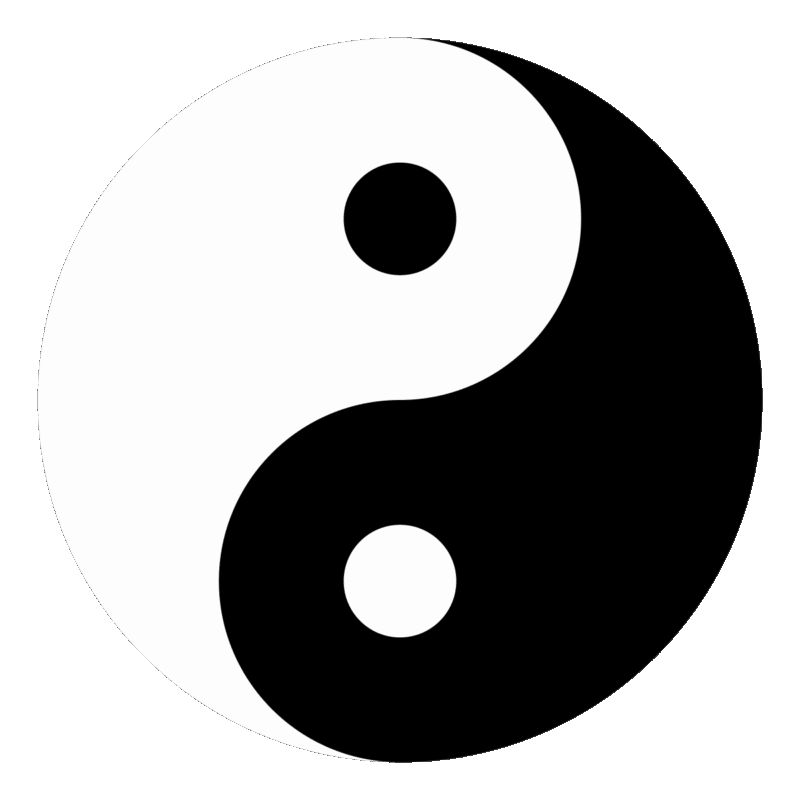
Yin Yang
The Taijitu (Yin and Yang) represents the balance of opposing forces in the universe. This is the symbol that represents Taoism.
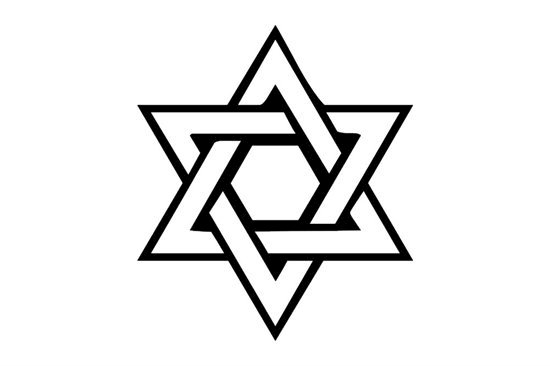
Six Pointed Star
The symbol of Judaism, the Star of David, a six-pointed star, is a prominent symbol, sometimes paired with the Chai (Hebrew for "life").
Shatkona, "six-pointed star," is two interlocking triangles; the upper stands for Siva, 'purusha' (male energy) and fire, the lower for Shakti, 'prakriti' (female power) and water. Their union gives birth to Sanatkumara, whose sacred number is six.

Caduceus
The Caduceus, a staff entwined with two snakes and topped with wings, is a powerful spiritual symbol with various interpretations, primarily related to healing, balance, and transformation. While often mistaken for the Rod of Asclepius, a different symbol, the Caduceus has its own rich symbolism, including its association with Hermes (or Mercury) in Greek and Roman mythology.

Conch Shell
The conch shell symbol is derived from Hindu kingdoms. During battles, the conch shell was often blown to either indicate victory or to begin the war. In Buddhism, the conch shell is used to symbolize the glaring sound of Buddha’s teachings.
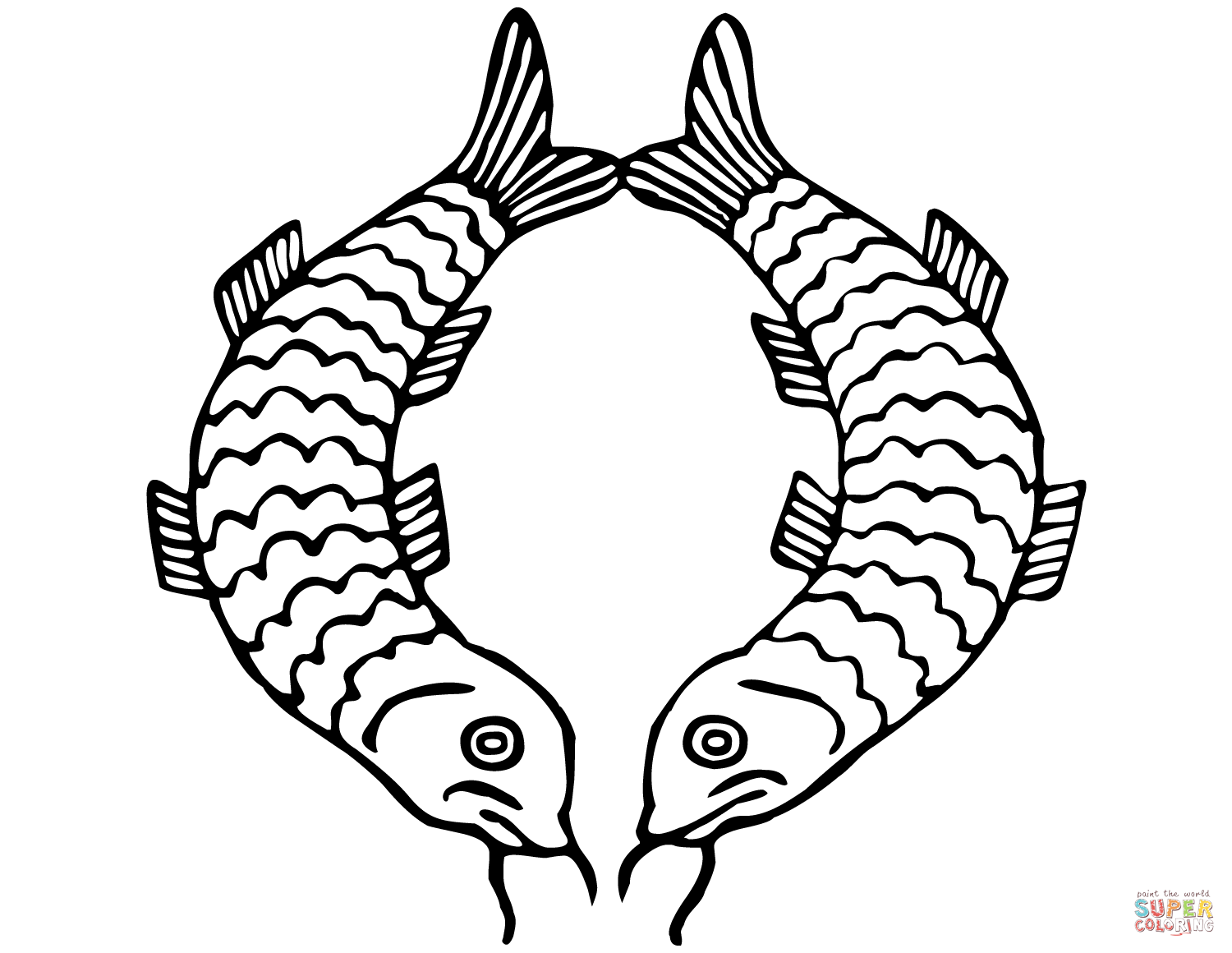
Pair of Golden Fish
Traditionally, two golden fish were used to depict India’s two rivers- the Ganga and the Yamuna. In Buddhist teachings, the fish represents the ability to move freely through life. As fish swims freely in and against the direction of the tide, one must strive to be happy if life moves forward and oppose its tide if faced with difficulties. The carefree nature of the fish represents freedom from the cycle of rebirth.
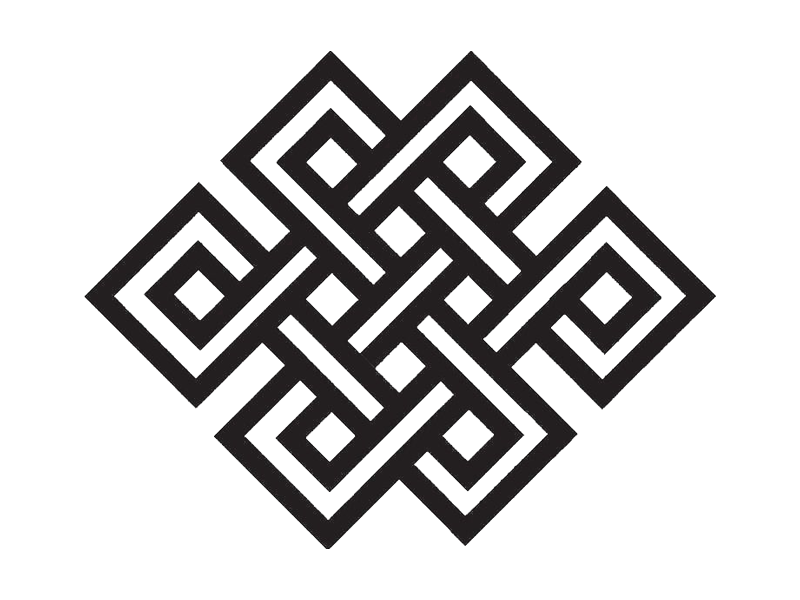
Eternal Knot
The eternal knot, also known as the infinity knot, symbolises the eternal relevance of Buddha's teachings and sermons. The infinity knot is also a metaphor for the eternal cycle of life, death, and rebirth.
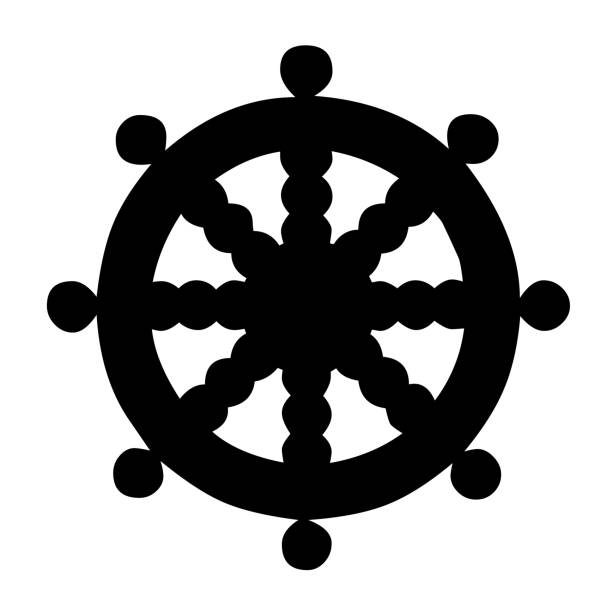
Dharma Wheel
The Dharma Wheel is frequently used to represent Gautama Buddha himself. In Buddhist architecture, the wheel is painted with eight spokes, each representing one of Buddha's Eightfold Path milestones. Right view, right thinking, right speech, right action, right livelihood, right diligence, right mindfulness, and right concentration are the path's eight teachings. Buddhist followers must aim to move along the Eightfold Path in the same way that a wheel moves forward. One by one, a disciple must master the eight principles and achieve true knowledge and freedom from suffering.
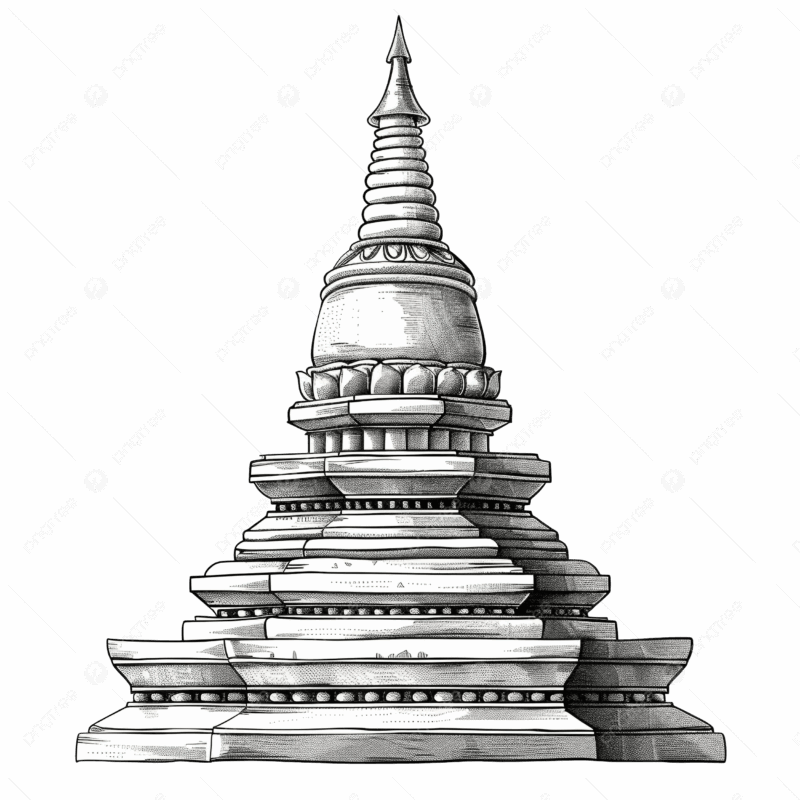
Stupa
Stupas played an important role in the spread of Buddhism in India and its neighbouring countries. Stupas are structures that house Buddha's relics and items that he may have used during his time on Earth. They remind followers of Buddha’s tangible presence on Earth and his intangible presence through his teachings.
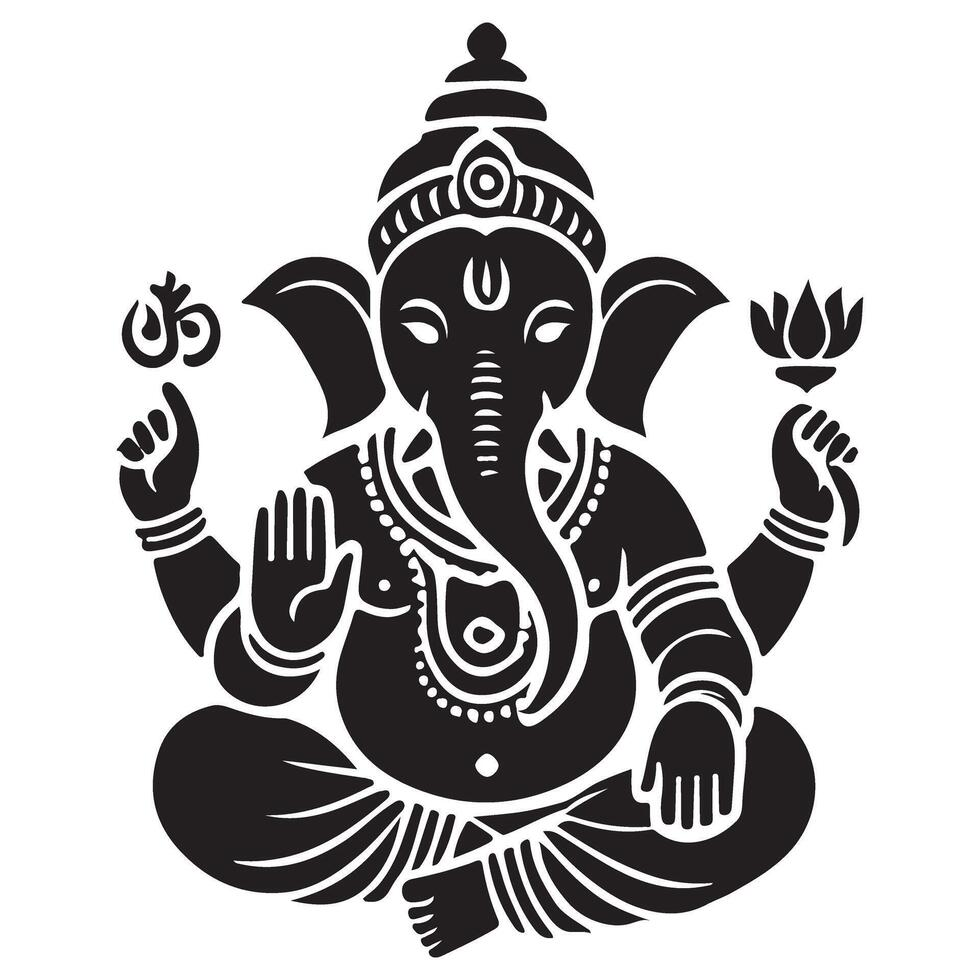
Ganesha
Ganesha is the Lord of Obstacles and Ruler of Dharma. Seated upon His throne, He guides our karmas through creating and removing obstacles from our path. We seek His permission and blessings in every undertaking.
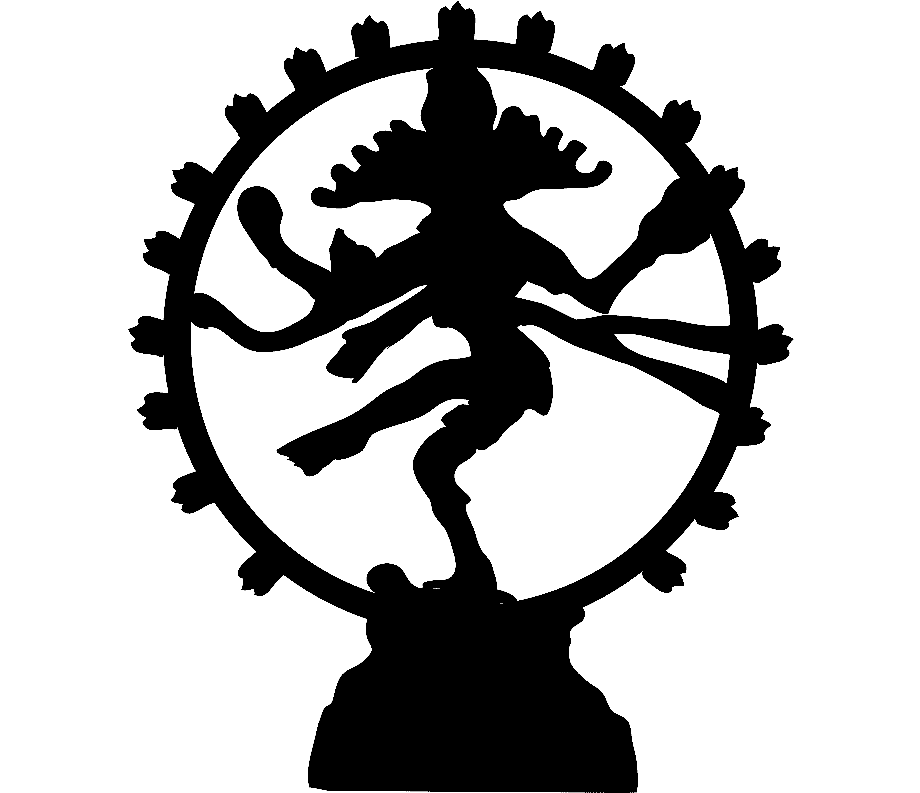
Nataraja or Dancing Shiva
Nataraja is Shiva as "King of Dance." Carved in stone or cast in bronze, His ananda tandava, the fierce ballet of bliss, dances the cosmos into and out of existence within the fiery arch of flames denoting consciousness. Aum. In essence, the Nataraja symbol is a profound representation of the interconnectedness of all things, the eternal dance of the universe, and the path to spiritual enlightenment.

Peacock
In Early Christian art, the peacock traditionally symbolizes immortality. This symbolism derives from the ancient Greek belief that the flesh of the peacock did not decay after death. The peacock's habit of strutting and displaying the beauty of its feathers symbolized worldly pride and vanity.
In both Hinduism and Buddhism, the peacock is a potent symbol with rich connotations. In Hinduism, it's associated with deities like Lord Krishna and Lakshmi, representing beauty, grace, and prosperity. Buddhism links the peacock to transformation, wisdom, and compassion, drawing parallels between its ability to consume poison and the enlightened mind's capacity to transmute suffering.
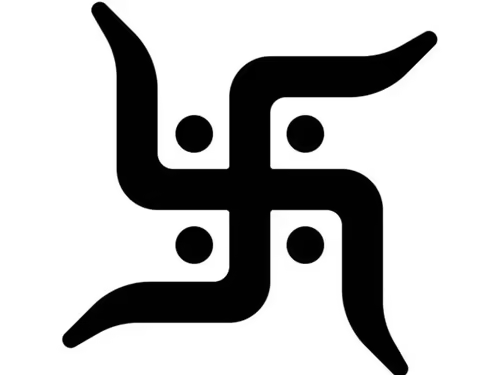
Swastika
Swastika is the symbol of auspiciousness and good fortune-literally, "It is well." The right-angled arms of this ancient sun-sign denote the indirect way that Divinity is apprehended: by intuition and not by intellect.
The swastika is a symbol with many styles and meanings and can be found in many cultures. The appropriation of the swastika by the Nazi Party is the most recognisable modern use of the symbol in the Western world. The word swastika comes from Sanskrit: स्वस्तिक, romanized: svastika, meaning 'conducive to well-being'.

Ghanta
Ghanta is the bell used in ritual puja, which engages all senses, including hearing. Its ringing summons the Gods, stimulates the inner ear and reminds us that, like sound, the world may be perceived but not possessed.
Rudraksha Seeds
Rudraksha seeds, Eleocarpus ganitrus, are prized as the compassionate tears Lord Shiva shed for mankind's suffering. Shaivites wear 'malas' (necklaces) of them always as a symbol of God's love, chanting on each bead, "Om Namah Shivaya."

Tripundra or Three Stripe, and Bindi
Tripundra is a Shaivite's great mark, three stripes of white vibhuti on the brow. This holy ash signifies purity and the burning away of anava, karma and maya. The bindu, or dot, at the third eye quickens spiritual insight.
Hamsa Swan or Goose
Hamsa, vehicle of Brahma, is the swan (more accurately, the wild goose, Aser indicus). It is a noble symbol for the soul, and for adept renunciates, Paramahamsa, winging high above the mundane and diving straight to the goal.
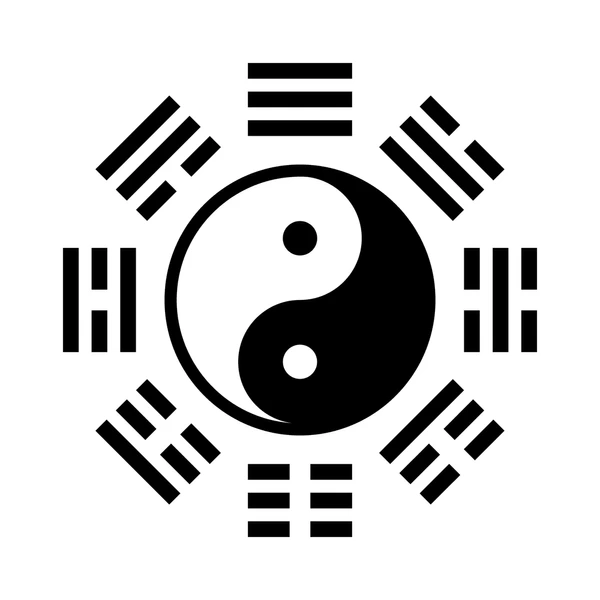
Bagua
The center of a balanced life and the health of the home is attained using this Feng Shui symbol. Each position represents a specific life correlation to the health of the individual and the home.
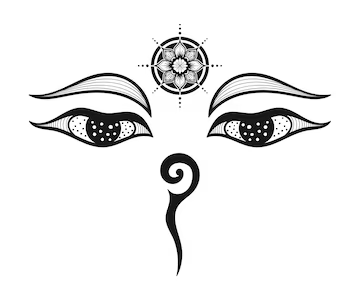
Eyes of Buddha
Through these eyes we are reminded to look at the world with deep compassion as experienced through the divine feminine. The Third Eye represents spiritual awakening. The Sanskrit symbol below the eyes shows us the unity of all things.
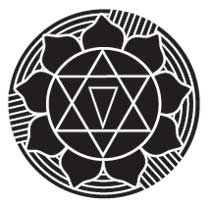
Gayatri Yantra
This symbol represents the illumined mind and far-sighted wisdom. The words and sounds of the Gayatri Mantra comprise the most powerful of Vedic affirmations. using this symbol removes the possibility of making wrong choices in life by empowering all truth. It ocalizes complex and cosmic wisdom about all earth elements, plants, trees, animals, insects, fishes and birds, making an understanding of the whole life creation.
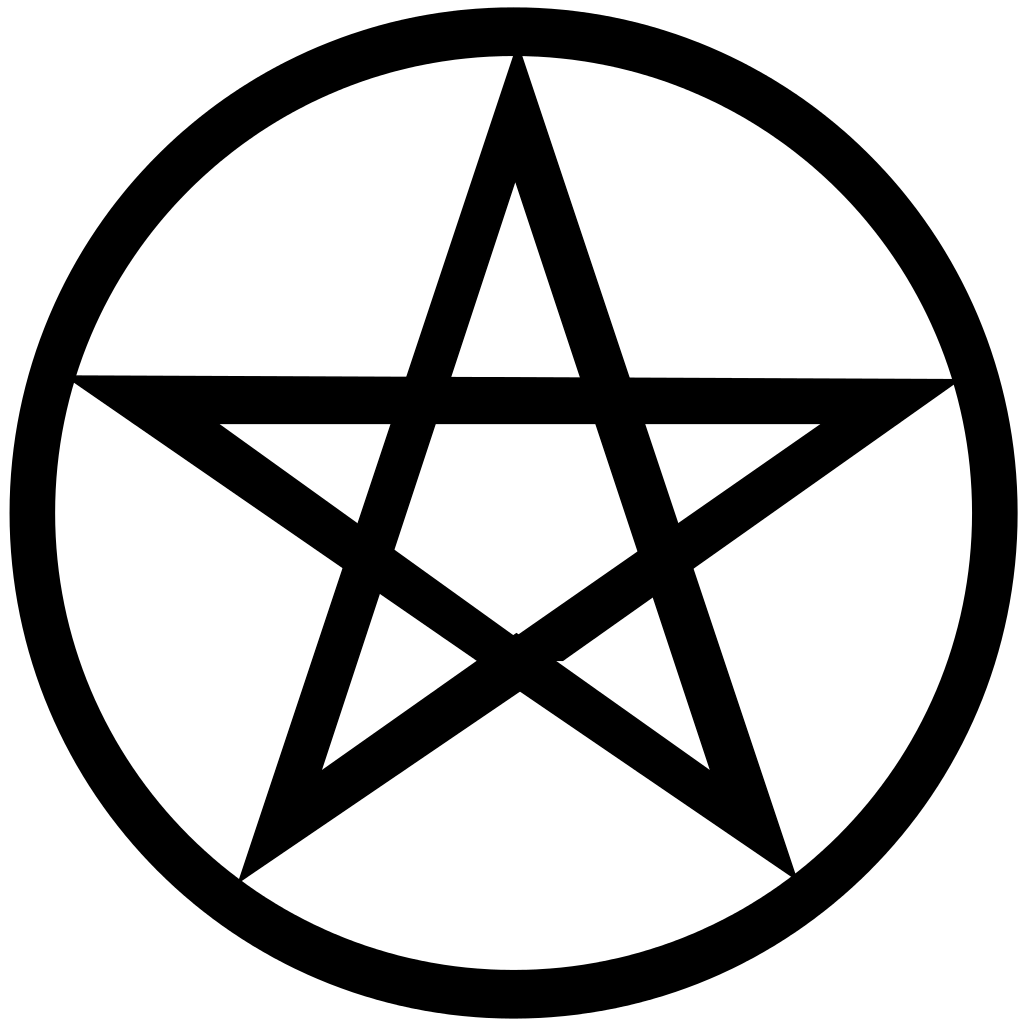
Pentagram
This star encased in a circle, always with 5 points (one pointing upward), has its own meaning. The upward point of the star is representative of the spirit. The other four points all represent an element; earth, air, fire, and water. All these things contribute to life and are a part of each of us. It is used in the Celtic and other mystical traditions, as well as many religions.
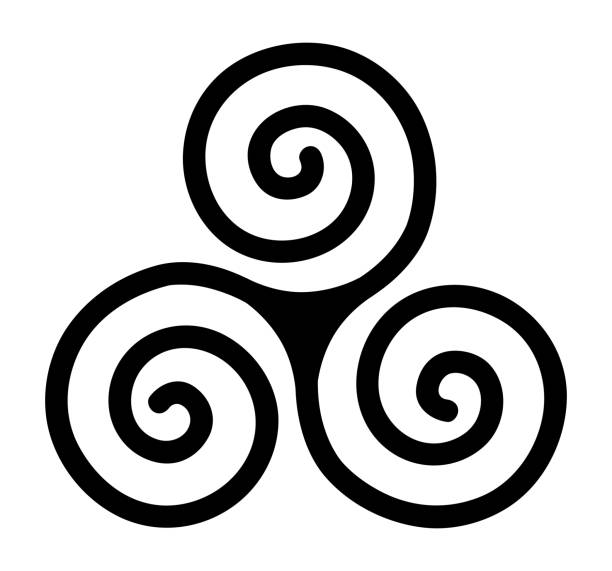
The Triade, Triskele, or Triple Spiral
This is an ancient Celtic symbol related to earthly life, the afterlife, and reincarnation. it is drawn in one continuous line, suggesting a fluid movement of time. Triades are one of the most common elements of Celtic art. They also evoke the universal concept of the domains of material existence- earth, water, and sky; body, mind and spirit; and the eternally spiraling cycles of time.
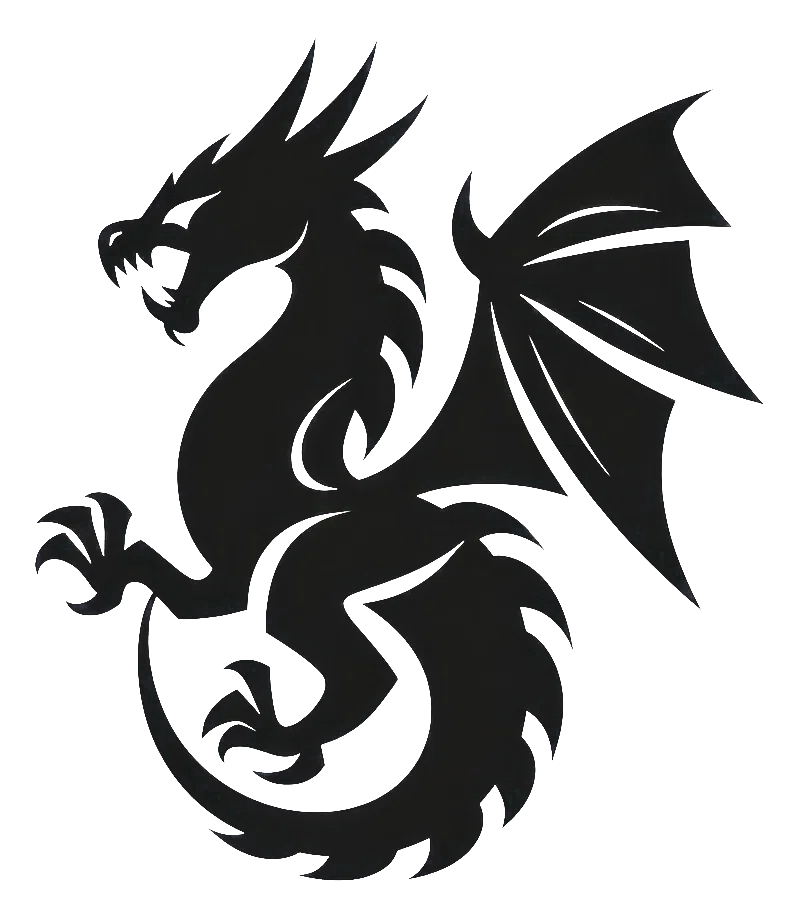
Dragon
Dragon symbolism varies across cultures, but it generally represents power, wisdom, and protection, with both positive and negative connotations. In Chinese culture, dragons are revered as symbols of good luck, imperial authority, and strength, while in Western cultures, they are often depicted as fierce, chaotic creatures to be overcome.