Hindu Deities Simplified
Published by ds on
Hindu Deities Simplified
In Hinduism, the concept of deities revolves around one ultimate reality, Brahman, which manifests in various forms and with different names. While Hindus worship a multitude of gods and goddesses (devas and devis), they are understood to be representations or aspects of this one Supreme Being. This concept is often described as a polymorphic monotheism, where one God is understood to have many forms.
Hindu deities encompass a vast and diverse pantheon, representing various aspects of the divine and cosmic functions. Key deities include Brahma (the creator), Vishnu (the preserver), and Shiva (the destroyer), collectively known as the Trimurti. Other significant deities include Lakshmi, the goddess of wealth and prosperity, Saraswati, the goddess of knowledge and music, and Ganesha, the remover of obstacles and god of wisdom.
Major Deities and their Roles

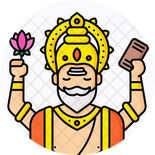
Brahma
The creator god, responsible for the creation of the universe.
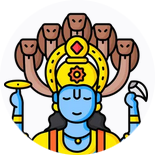
Vishnu
The preserver and protector of the universe, often depicted with his avatars like Rama and Krishna.
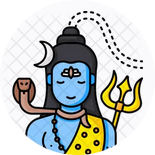
Shiva
The destroyer and transformer, also associated with yoga and meditation.
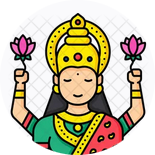
Lakshmi
The goddess of wealth, prosperity, and good fortune.
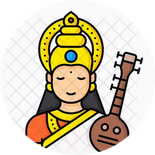
Saraswati
The goddess of knowledge, music, arts, wisdom, and learning.
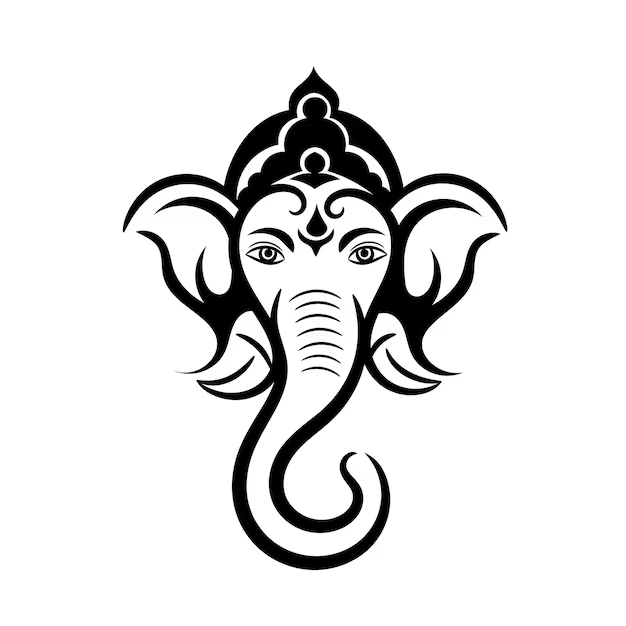
Ganesha
The elephant-headed god, known for removing obstacles and bringing good luck.
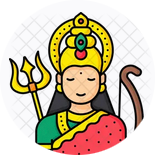
Durga
A warrior goddess, often depicted with multiple arms and weapons, symbolizing the divine feminine power.
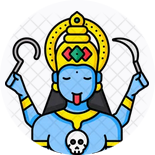
Kali
A fierce goddess representing time and change, often associated with destruction and transformation.

Other Important Concepts
- Shakti: The concept of divine feminine power, often represented by goddesses like Lakshmi, Saraswati, Durga, and Kali.
- Avatars: Different forms or incarnations of a deity, especially Vishnu, are known as avatars. Krishna and Rama are prominent examples of Vishnu's avatars.
- Trimurti: The trinity of Brahma, Vishnu, and Shiva, representing the cosmic functions of creation, preservation, and destruction.
- Ishta Deva: A personal deity chosen by an individual for worship and devotion.
Key Aspects of Hindu Deities
- Pantheistic and Polytheistic:
Hinduism is considered both pantheistic (believing in a single, ultimate reality) and polytheistic (worshiping multiple deities). - Manifestations of Brahman:
Hindu deities are seen as different manifestations of the one Supreme Being, Brahman. - Various Roles and Responsibilities:
Each deity embodies specific qualities and responsibilities, making the divine accessible and relatable to devotees. - Balance of Energies:
The inclusion of both male and female deities highlights the Hindu belief in the balance of masculine and feminine energies.