Spirituality & Religion Timeline
BCE
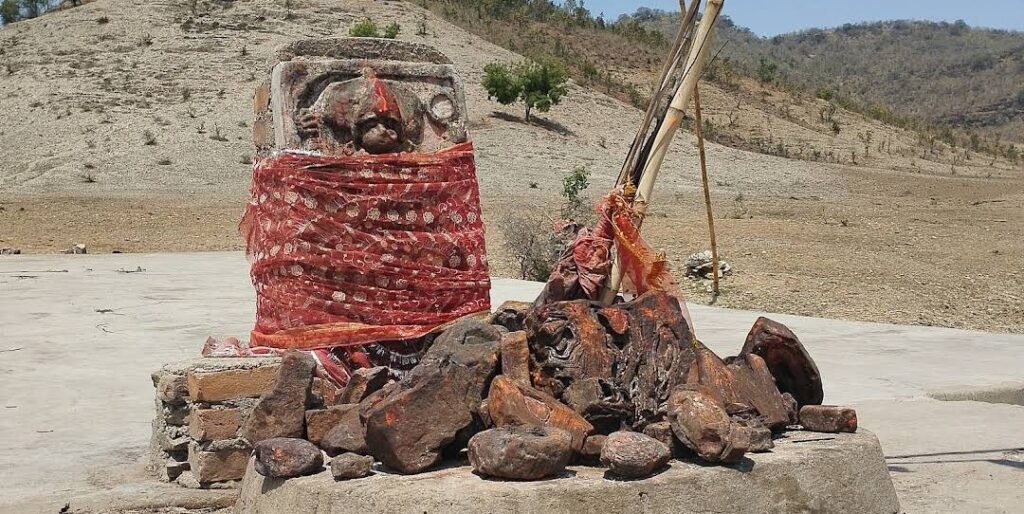
The Baghor stone from presumably one of the oldest Shakti shrines in India, and one of the oldest sites of worship yet discovered in the world, is estimated to have been formed during this period (9000-8000 BCE). However, it may predate 10,000 BCE as samples were dated to 11,870 (± 120) YBP in a 1983 publication. The living shrine at which it was found is currently used as a place of worship for Devi by both Hindus and Indian Muslims. The triangular shape of the stone is that of the Kali Yantra which is also still in use across India. The Kol and Baiga tribes consider the triangular shape to symbolise the mother goddess 'Mai', variously named Kerai, Kari, Kali, Kalika or Karika.
BCE
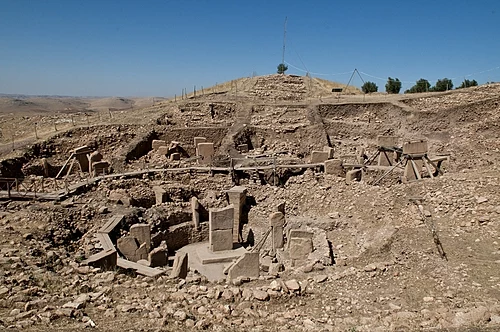
This was the apparent period of use of Göbekli Tepe with the earliest dates back to 9500 calBC, one of the oldest human-made sites of worship yet discovered; evidence of similar usage has also been found in another nearby site, Nevalı Çori.
BCE
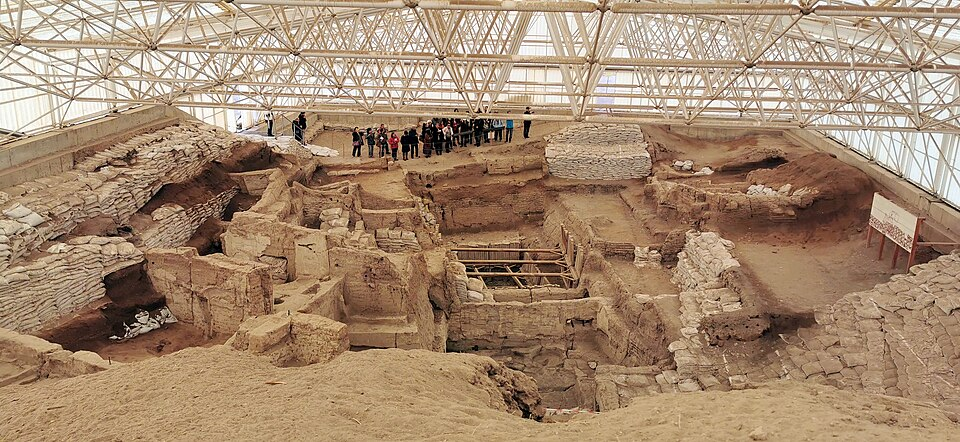
The settlements of Çatalhöyük developed as a likely spiritual center of Anatolia. Possibly practising worship in communal shrines, its inhabitants left behind numerous clay figurines and impressions of phallic, feminine, and hunting scenes.
BCE
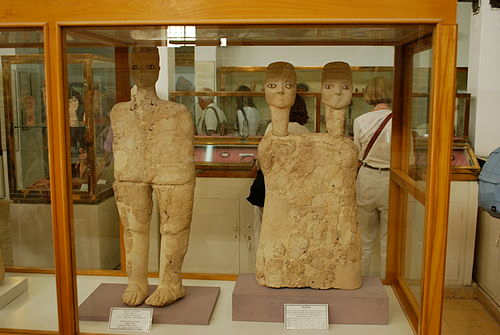
The Ayn Ghazal statues were made in Jordan during the Neolithic. These statues were argued to have been gods, legendary leaders, or other figures of power.
BCE
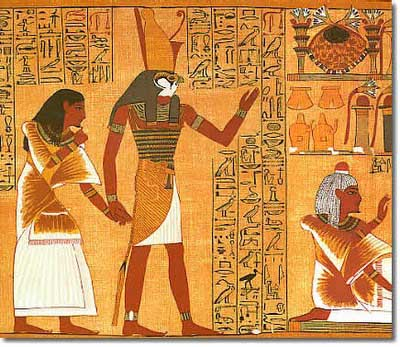
During the Predynastic Period in Egypt, religion was primarily animistic, with a belief in spirits inhabiting natural phenomena and objects. These spirits, or deities, were often represented by totems, and people built shrines and offered rituals to appease them for prosperity and protection. While the evidence is limited, it suggests a complex pantheon of gods emerging during this time, with local cults centered around specific deities and their associated symbols.
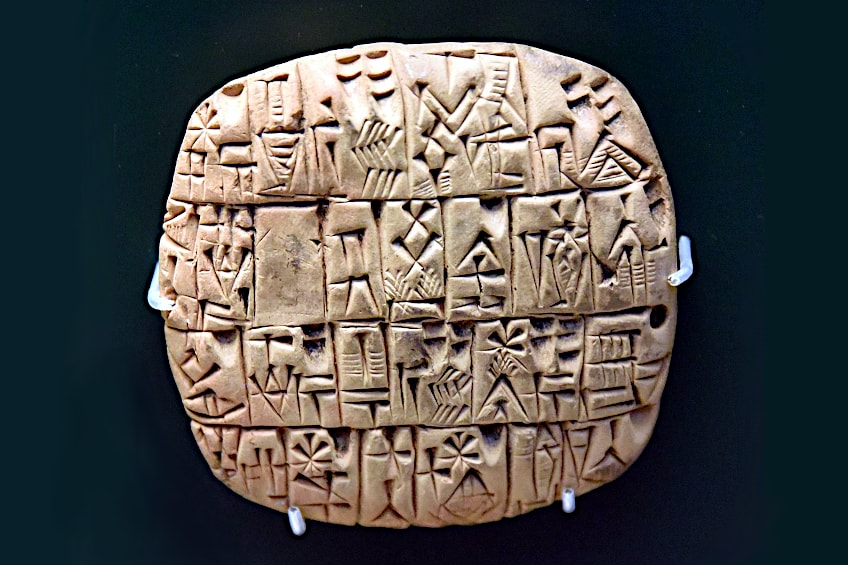
First written evidence of religion in the world, recorded on Sumerian tablets.
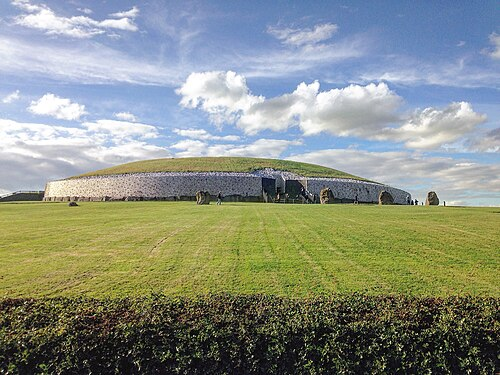
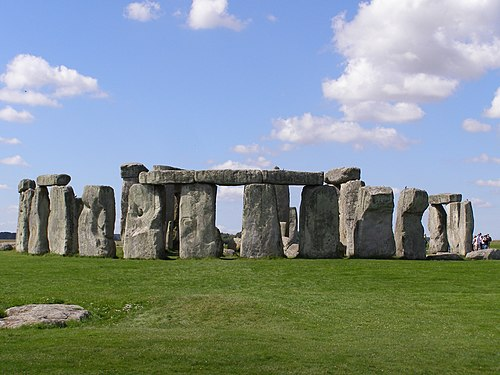
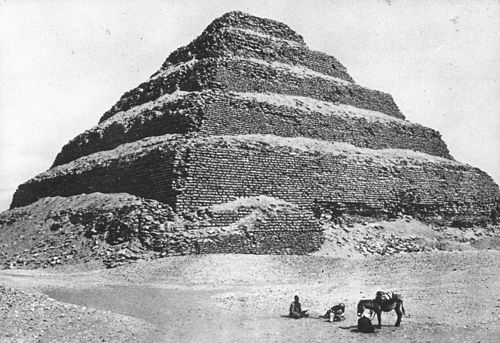
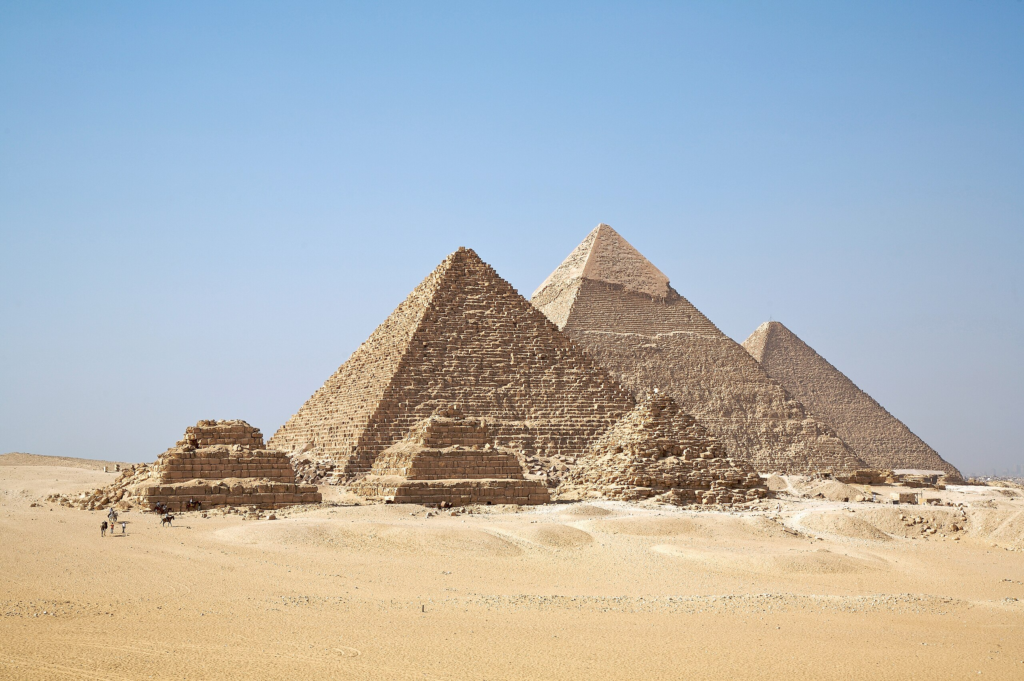
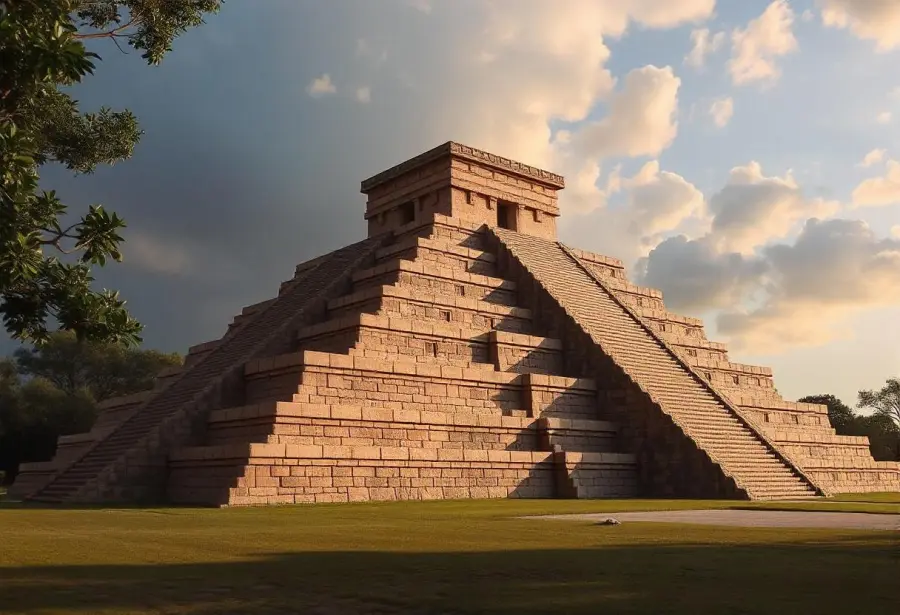
Ziggurats, Mesopotamian temples, built in cities like Eridu, Uruk, and Ur. A ziggurat is a form of monumental architecture originating in ancient Mesopotamia which usually had a rectangular base and was built in a series of steps up to a flat platform upon which a temple was raised. The ziggurat was an artificial mountain raised for the worship of the gods to elevate the priests toward heaven.
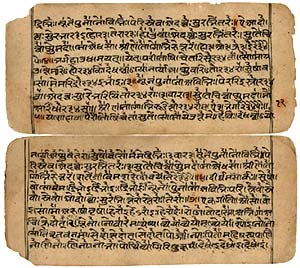
The Vedas, foundational texts of Hinduism, were written and basic tenets of Hinduism were established.
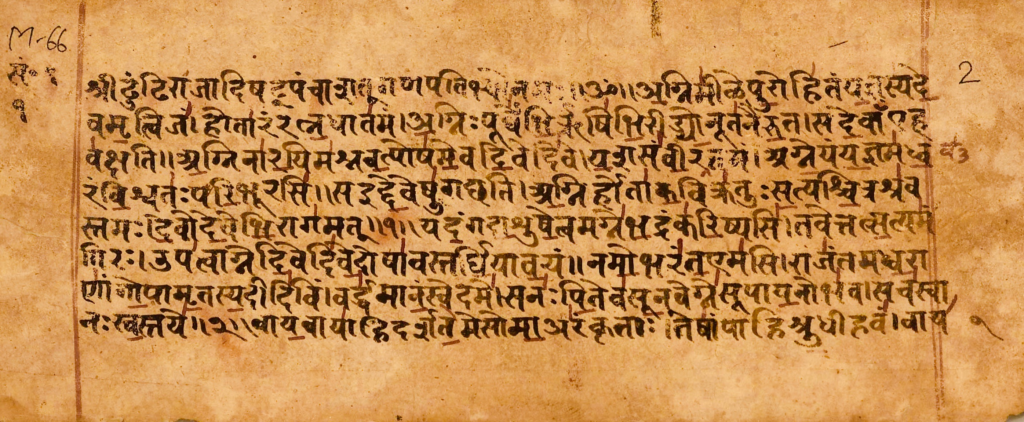
The Rig Veda written, mentioning the god Rudra (Shiva) and goddess Tara (among others) for the first time.
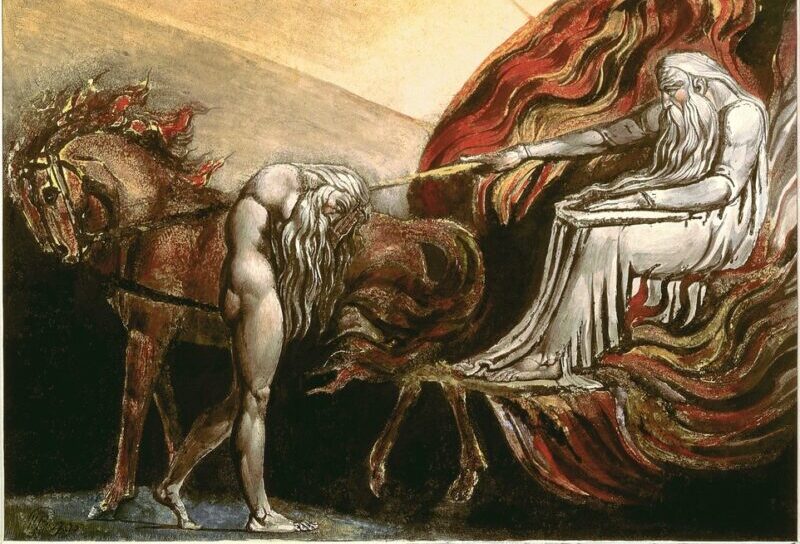
Yahwism, also known as the Israelite religion, was the ancient Semitic religion of ancient Israel and Judah and the ethnic religion of the Israelites. The Israelite religion was a derivative of the Canaanite religion and a polytheistic religion that had a pantheon with various gods and goddesses. The primary deity of the religion and the head of the pantheon was Yahweh, the national god of the kingdoms of Judah and Israel.
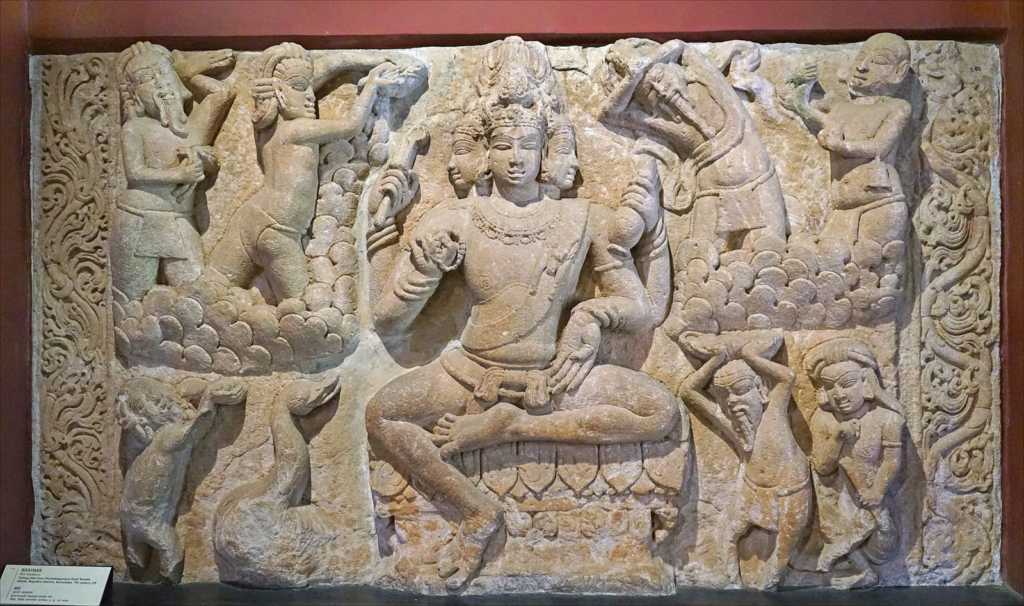
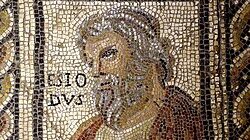
Greek poet Hesiod writes his Theogony and Works and Days. Hesiod's religious views are primarily expressed in his epic poems, the Theogony and Works and Days. He presents a complex and evolving Greek pantheon, detailing the origins of the gods and their roles in the cosmos, as well as offering moral guidance and insights into human life and society.
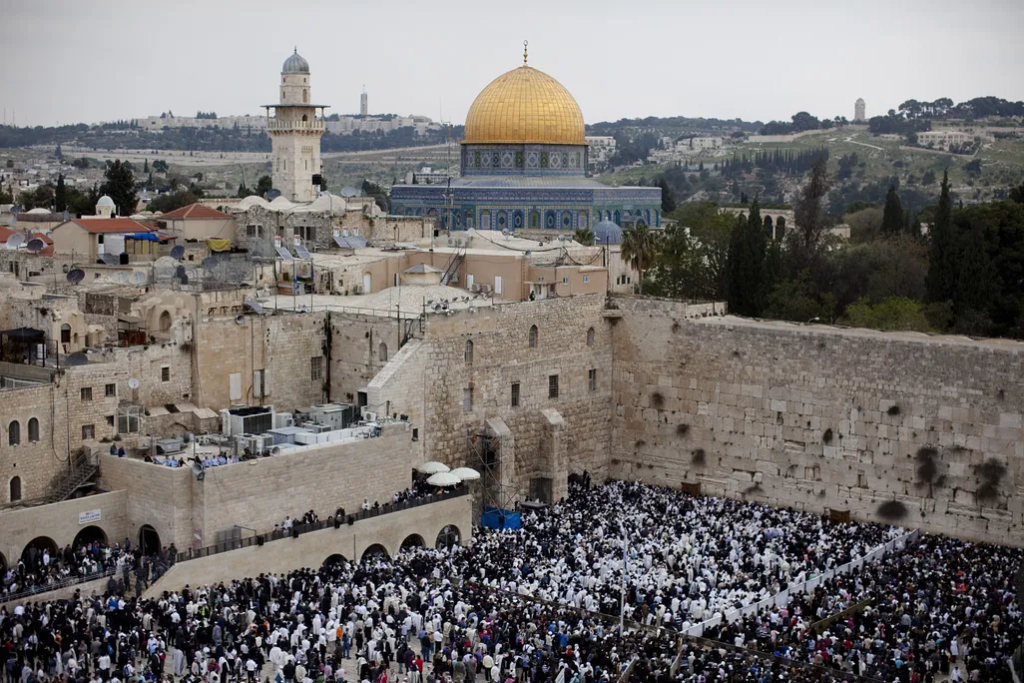
The transition from Yahwism to Judaism was a gradual shift from a polytheistic or henotheistic belief system centered on the worship of Yahweh and other deities to a monotheistic religion that recognized only Yahweh as God. This transformation, which occurred primarily during the Babylonian Exile, involved a move away from idolatry, the acceptance of Yahweh as the sole God, and the development of new religious texts and practices.
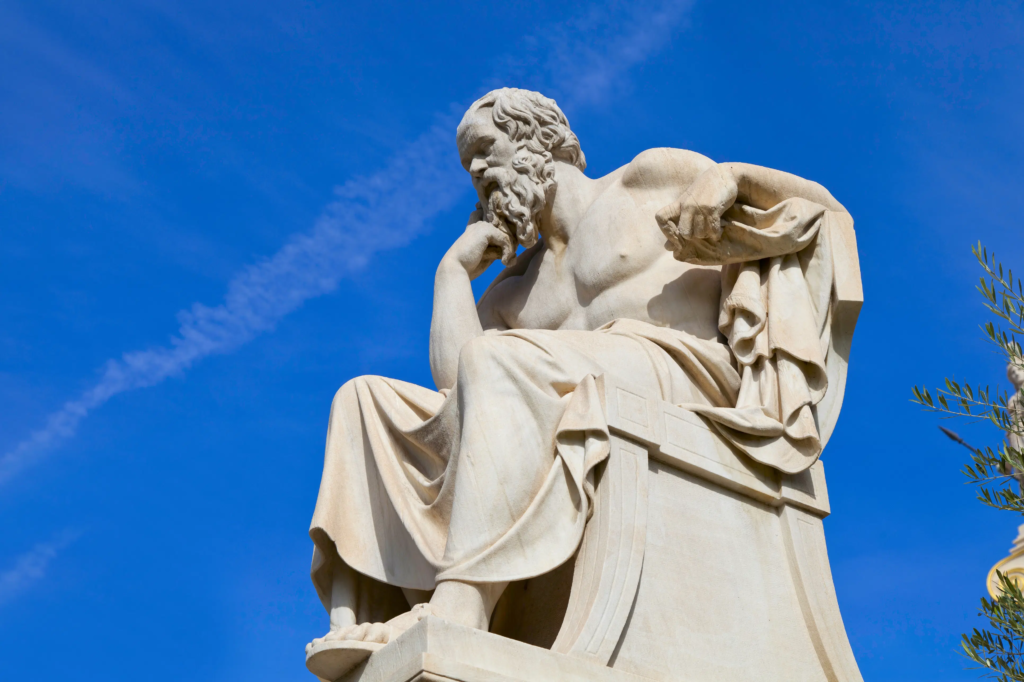
Socrates contributed to philosophical and religious thought.
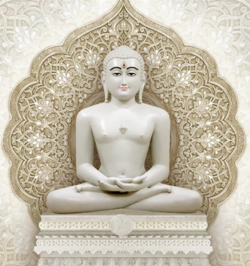
Traditional dating of the life of Mahavira, the last Tirthankara of Jainism.
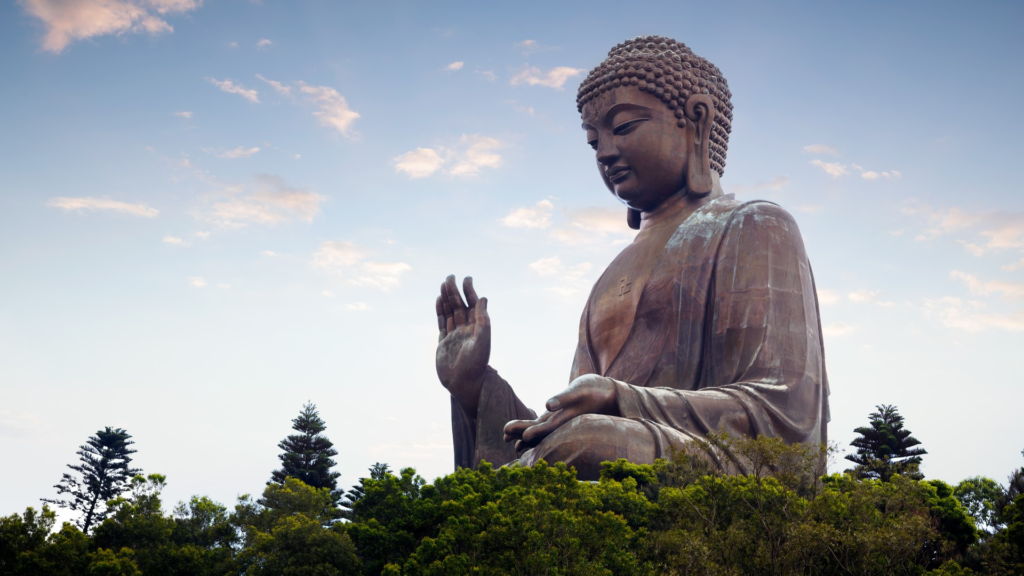
Siddhartha Gautama (the Buddha) lifetime. Siddhartha Gautama was born in Lumbini (present day Nepal).
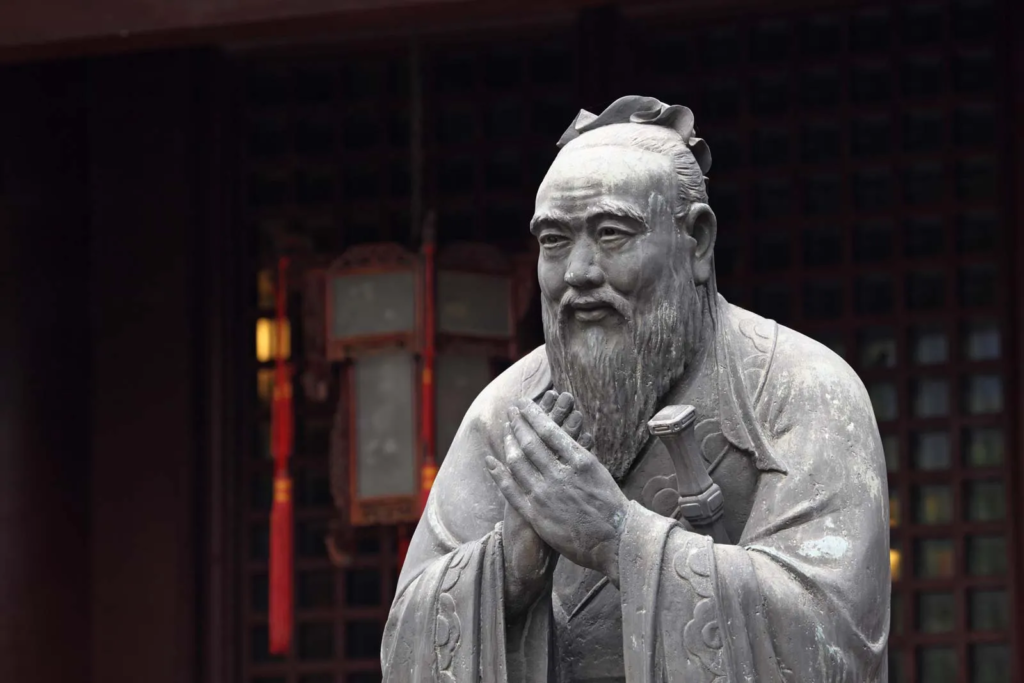
Confucius, the founder of Confucianism, was born.
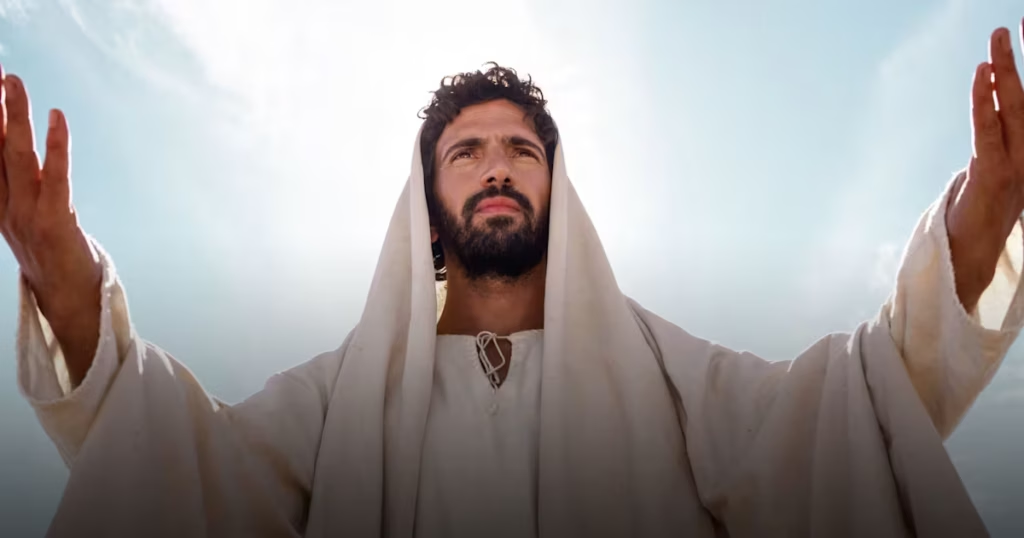
Life of Jesus Christ
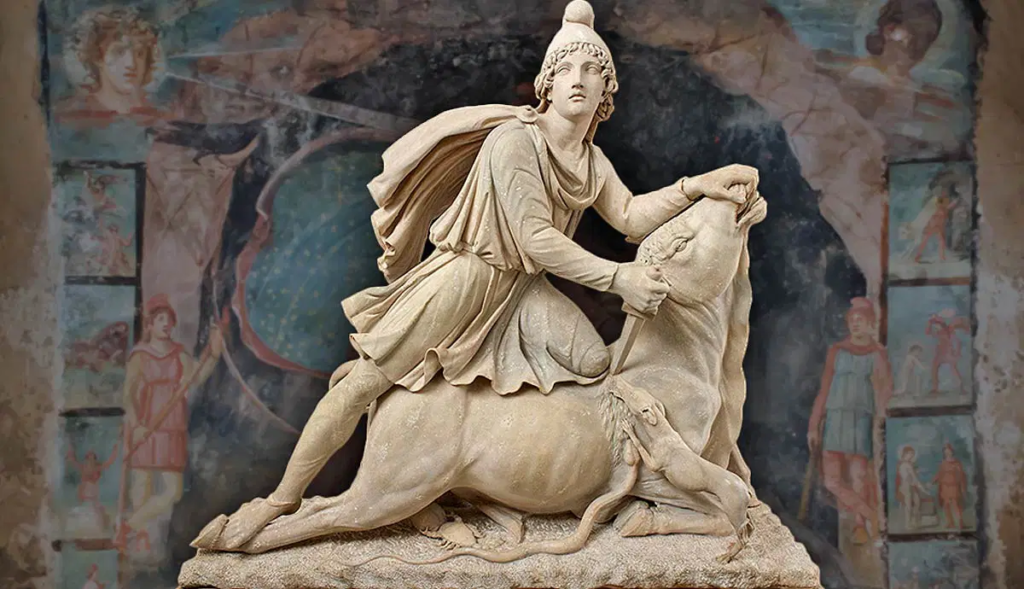
Mithraism spreads in the Roman empire. Mithraism was a mystery cult centered on the Roman god Mithras, popular in the Roman Empire from the 1st to 4th centuries CE. It involved secret initiations, rituals, and communal meals within underground temples called mithraea. While its origins are debated, it's believed to have been influenced by Zoroastrianism and other Near Eastern religions. The cult eventually declined in the face of Christianity's rise.
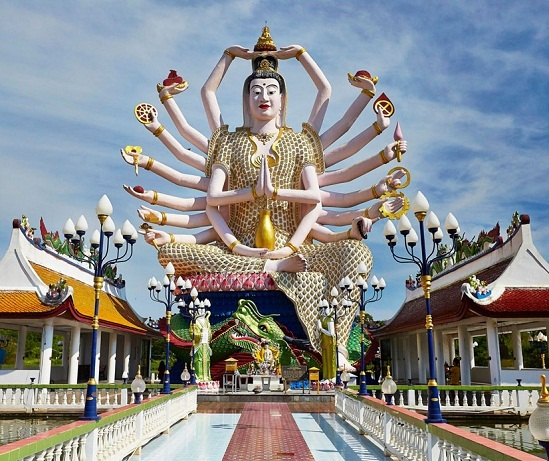
The Mahayana movement begins in India with its belief in Bodhisattva - saintly souls who help the living.

The life and teachings of Jesus of Nazareth mark the beginning of Christianity.
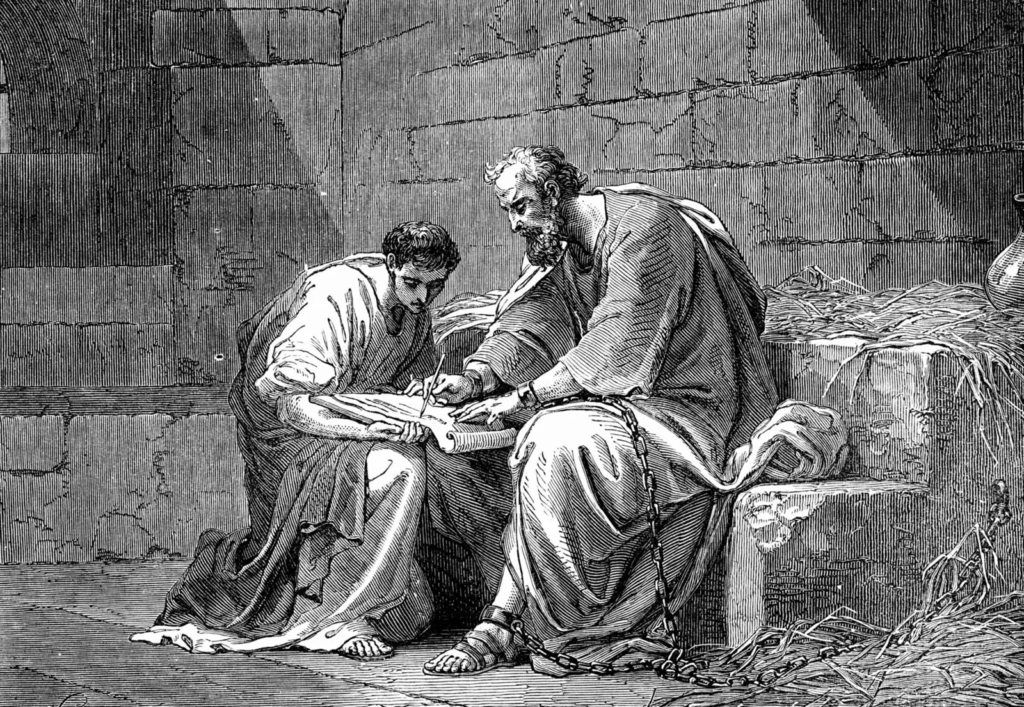
Paul the Apostle goes on missionary journeys across Asia Minor, Greece, and Rome.
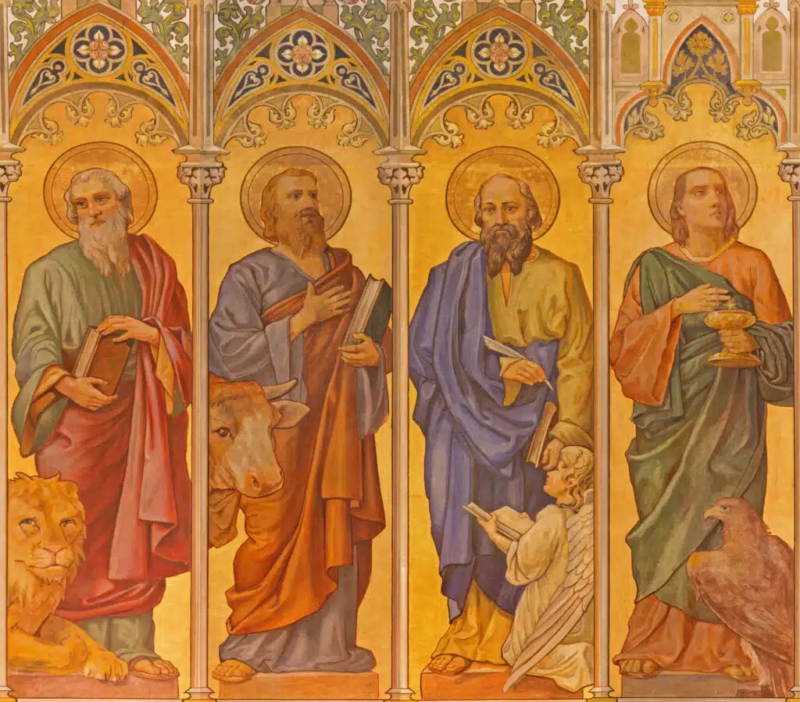
The tales of the life and work of Jesus (gospels) composed.
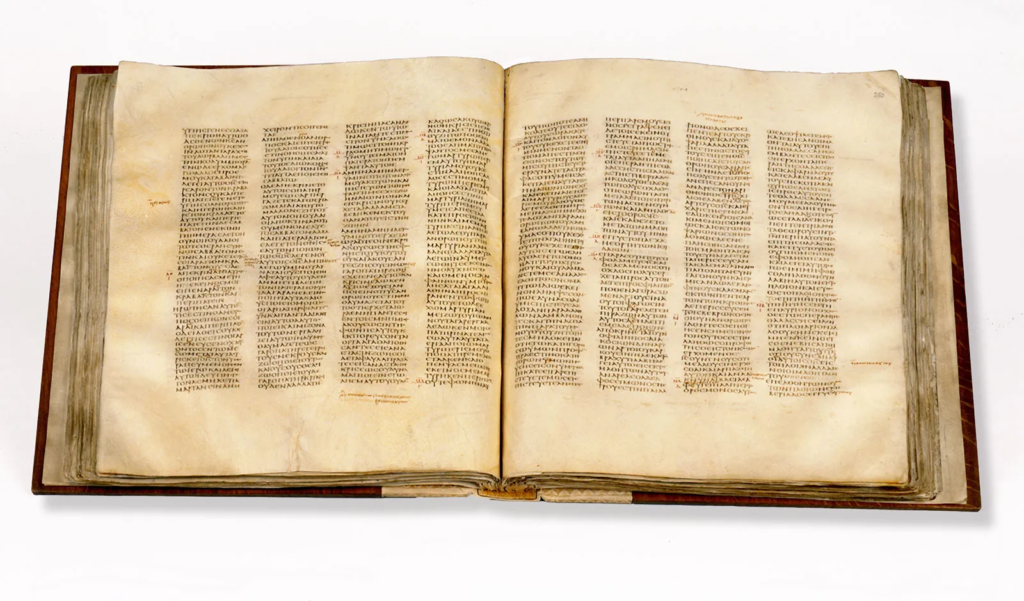
Septuagint (Greek translation of the Bible) composed at Alexandria.
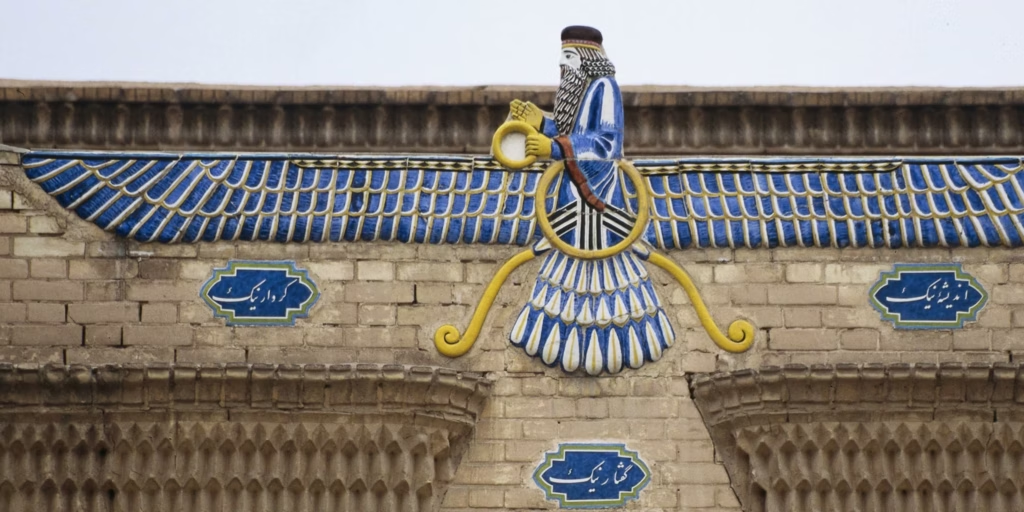
Zoroastrianism becomes Persian state religion under the Sassanian Empire. Zoroastrianism is an ancient Iranian religion, one of the world's oldest, founded by the prophet Zoroaster (Zarathustra). It is characterized by a dualistic worldview, believing in a cosmic struggle between good and evil, with Ahura Mazda as the supreme God and Angra Mainyu as the opposing evil spirit. Zoroastrians emphasize the importance of free will, good thoughts, good words, and good deeds in choosing between these forces.
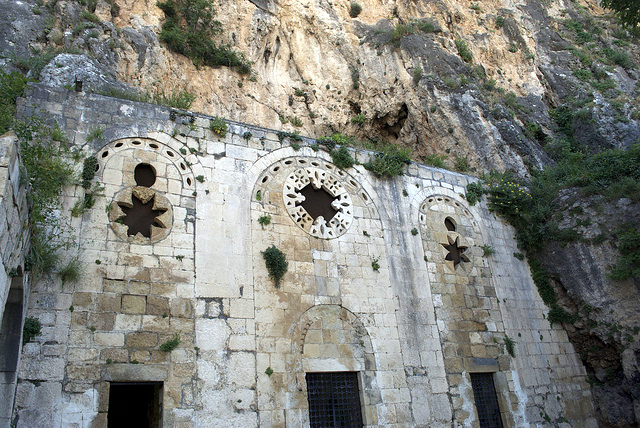
Earliest known public Christian churches are built.
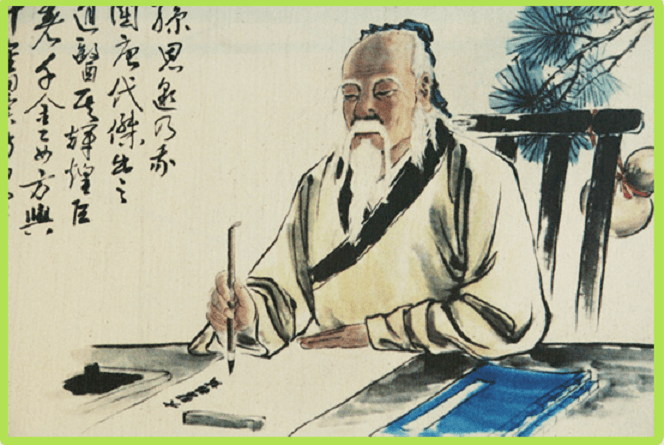
The foundational text of Taoism, the Tao Te Ching, is traditionally attributed to Lao Tzu, though its exact date is debated (possibly late 4th century BCE).
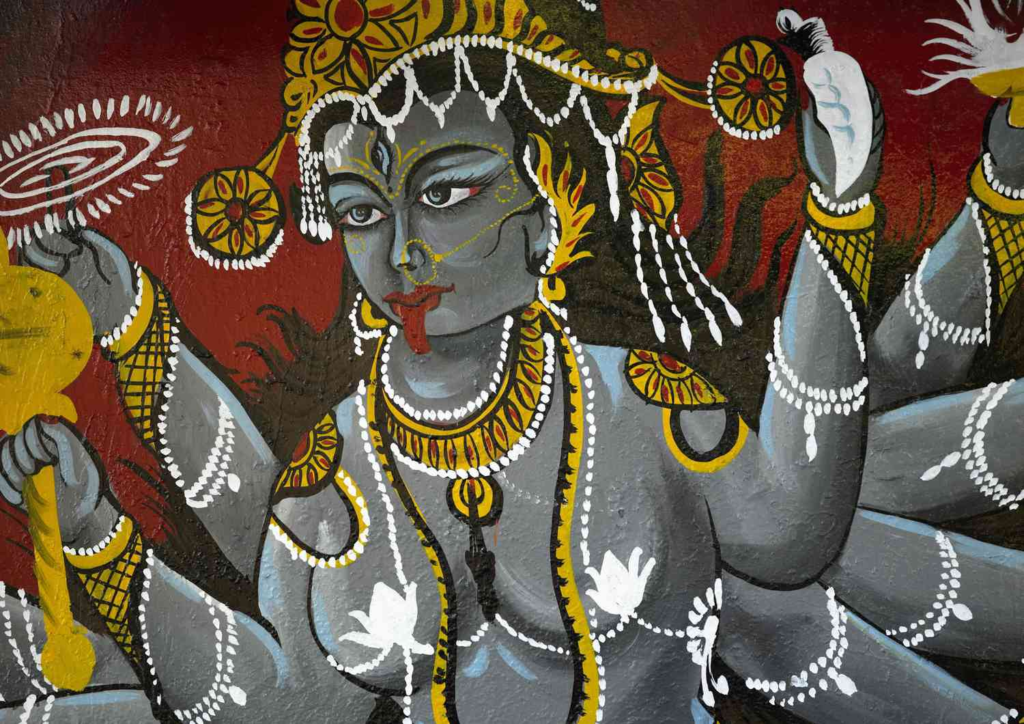
In India the Tantric expands the number of deities to include helpful demons, contactable through ritual.
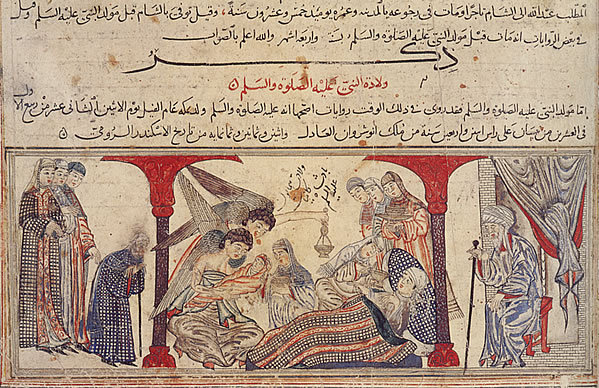
Muhammad is born in Mecca.
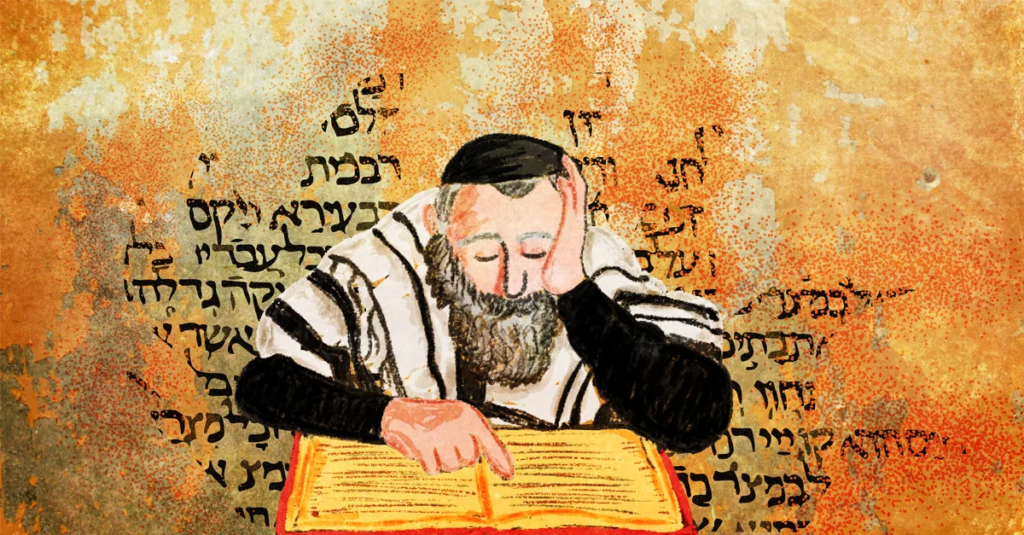
Babylonian Talmud is compiled. The Talmud is the central text of Rabbinic Judaism and the primary source of Jewish religious law (halakha) and Jewish theology.
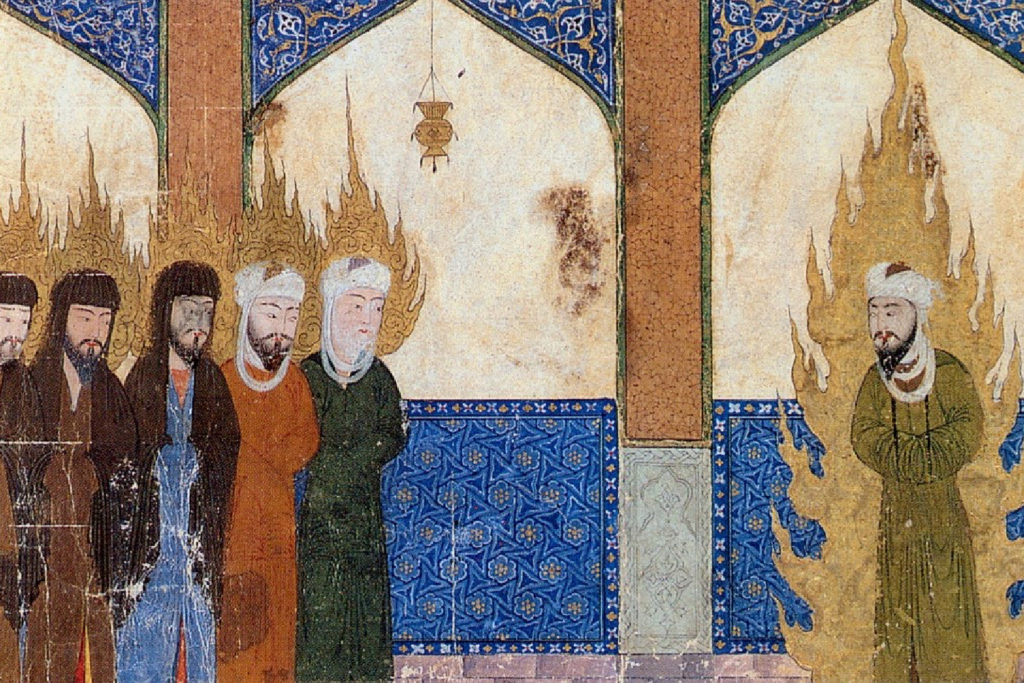
The Prophet Muhammad's first revelation marks the beginning of Islam.
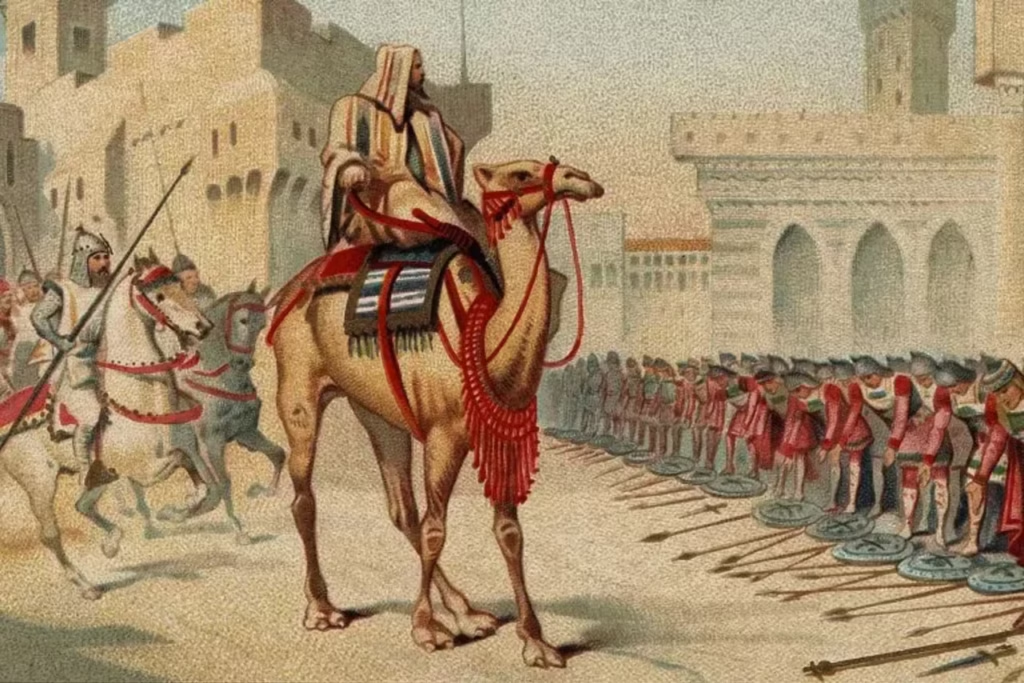
Muhammad undertakes the Hegira (Hijra), the migration from Mecca to Medina, establishing the start of the Islamic calendar.
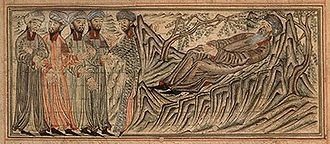
Muhammad dies in Medina, not clearly naming a successor to lead the Muslim people.
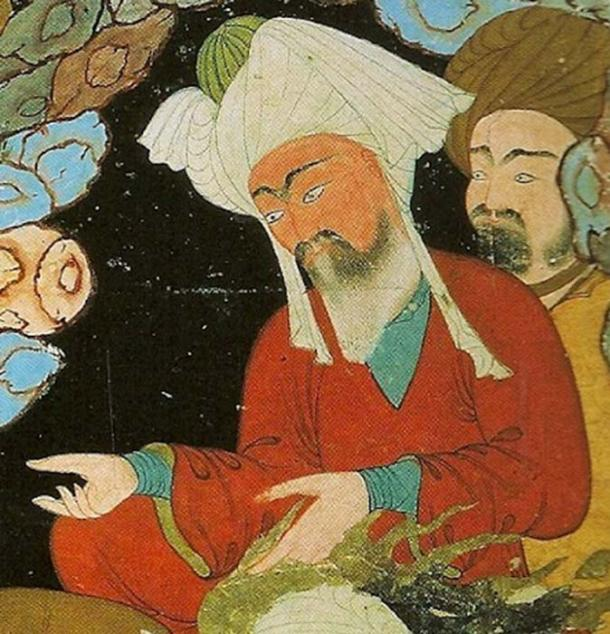
Abu Bakr becomes the first caliph (successor to Muhammad) of the Rashidun Caliphate.
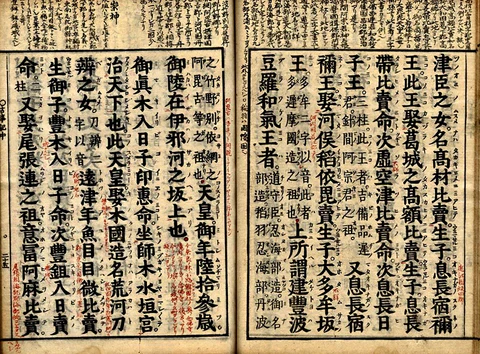
The Kojiki is written, a collection of oral myths forming the basis of the Shinto religion.
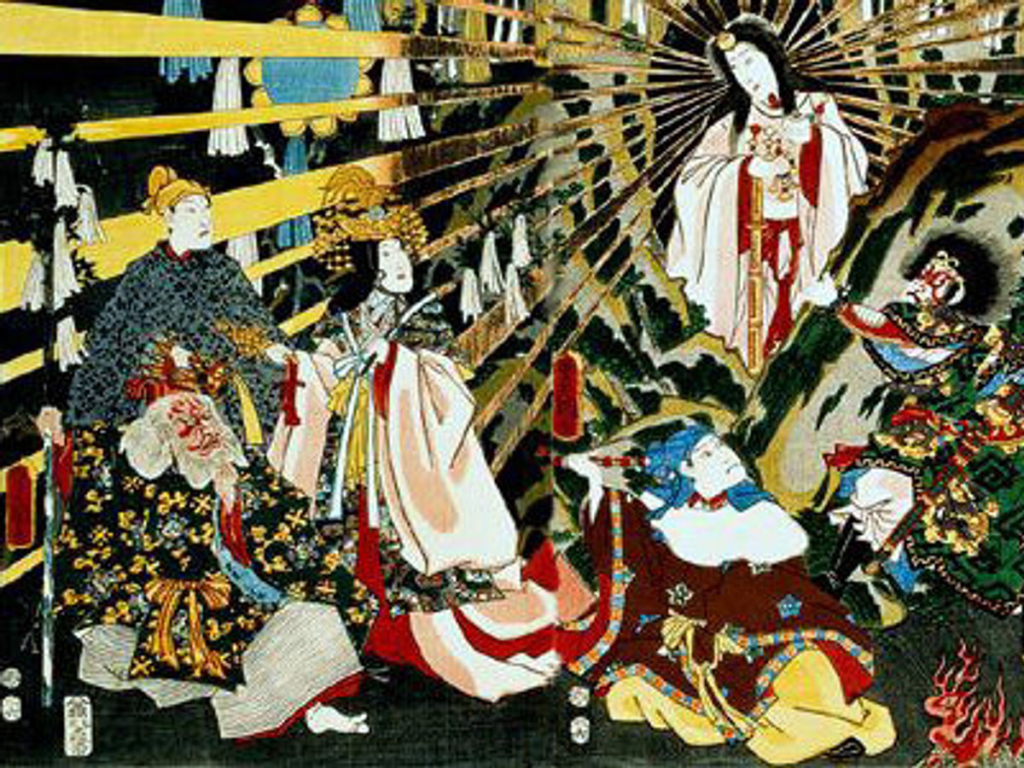
The Nihon Shoki is written, a collection of oral myths forming the basis of the Shinto religion.
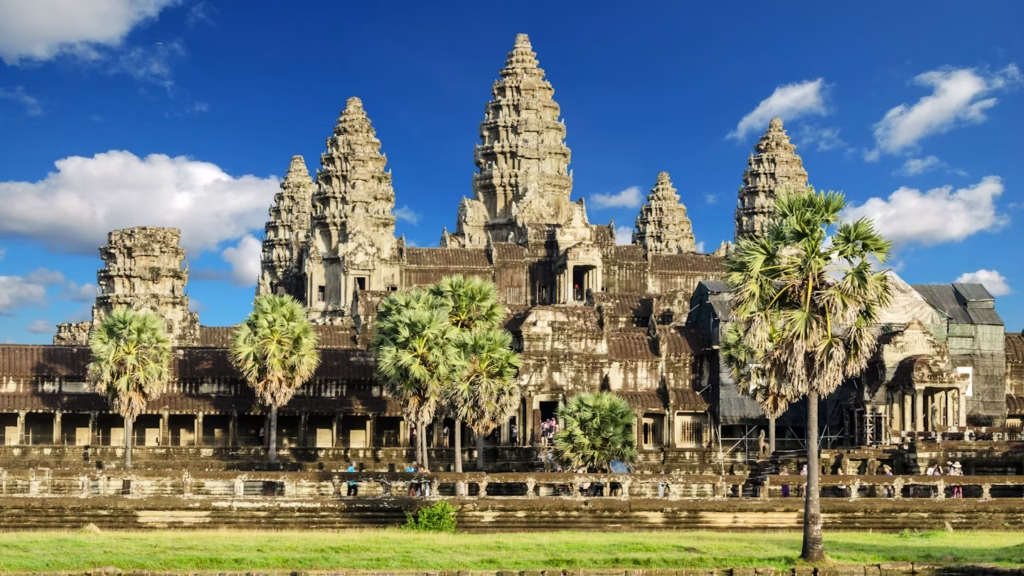
Construction begins of the Hindu temple at Angkor Wat. Originally a Hindu temple dedicated to Vishnu, was built in the early 12th century by the Khmer Empire in present-day Cambodia. It became a Buddhist temple by the end of the 12th century.
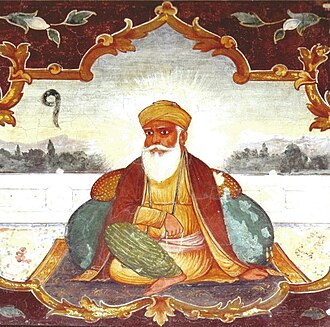
The founding of Sikhism by Guru Nanak. The Indian spiritual teacher, a mystic and poet, is regarded as the founder of Sikhism and is the first of the ten Sikh Gurus.
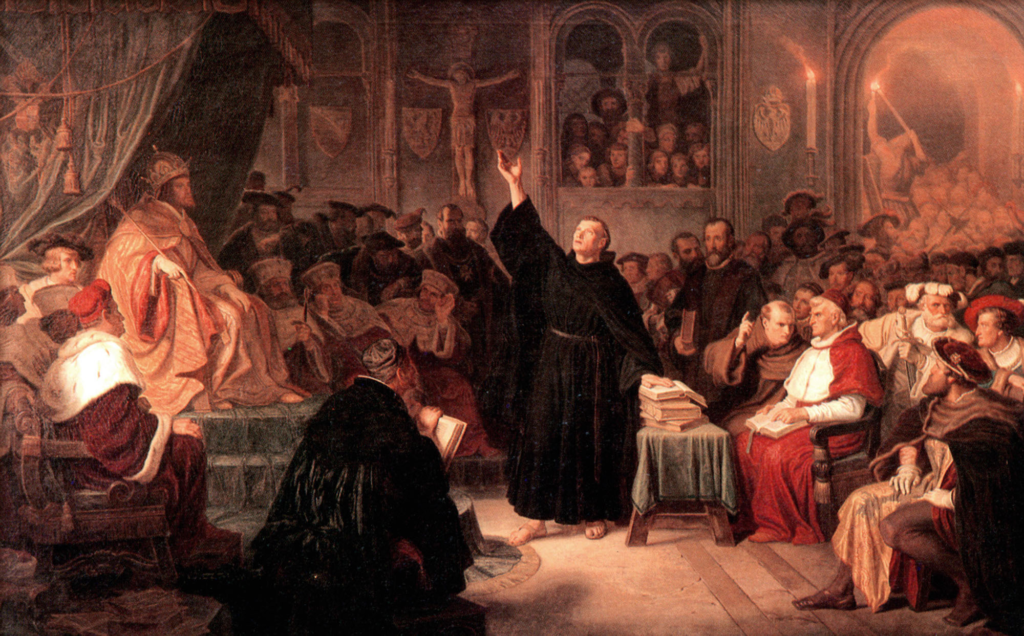
Martin Luther posts his Ninety-Five Theses, initiating the Protestant Reformation.
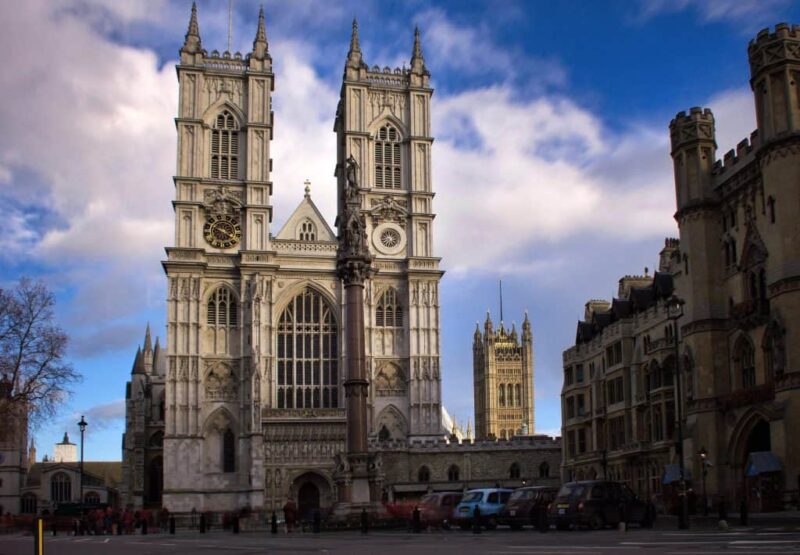
Henry VIII establishes the Church of England, separating from the Roman Catholic Church.
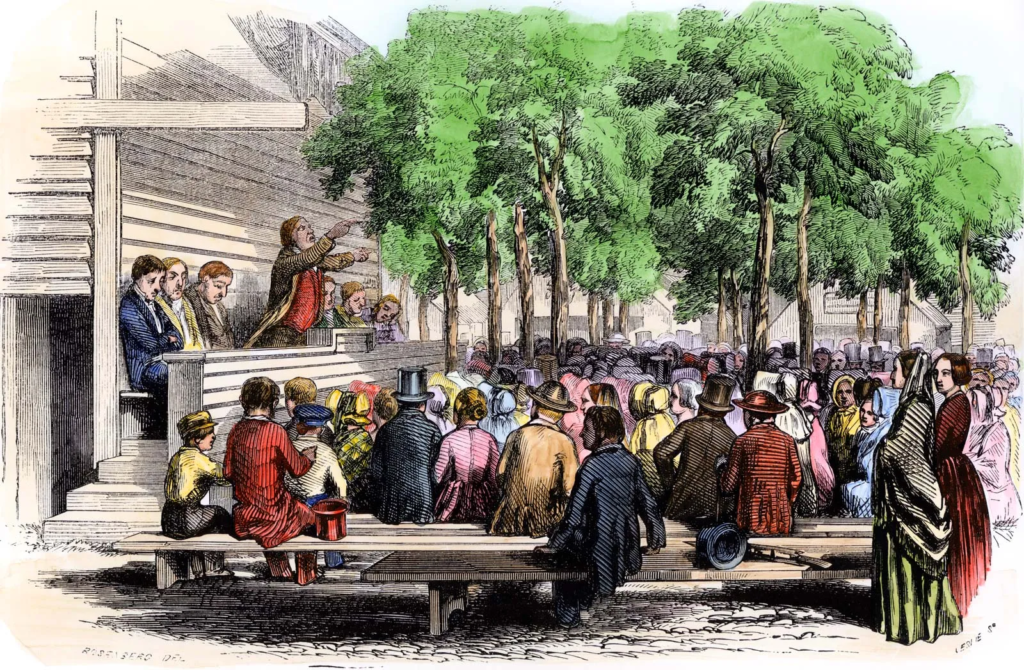
1738 AD: John and Charles Wesley experience conversion and begin the Methodist revival.
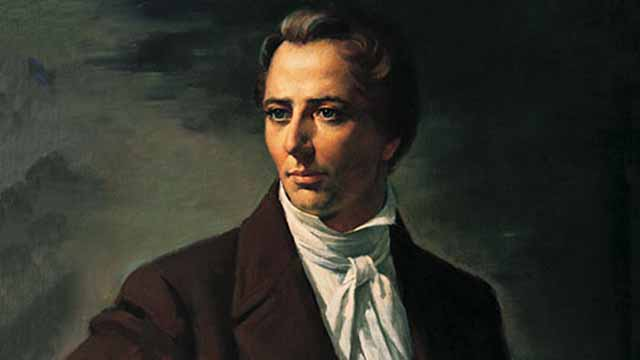
Joseph Smith reports his first vision, marking the beginning of his prophetic calling.
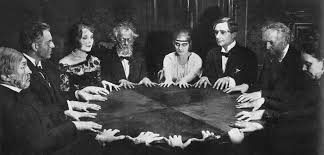
The emergence of spiritualism, a movement focused on communication with the dead.
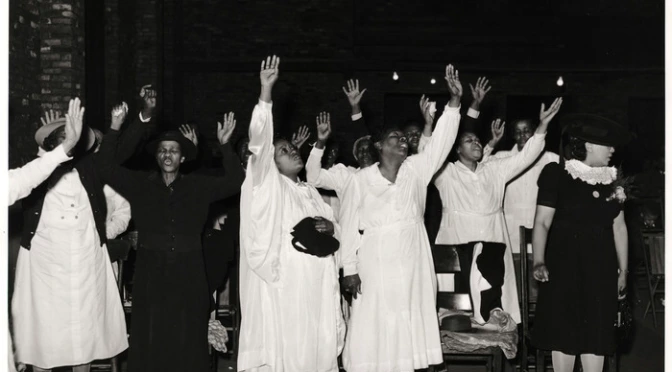
The Azusa Street Revival in Los Angeles marks the beginning of the Pentecostal movement. The Pentecostal movement is a Christian movement that emphasizes the experience of baptism with the Holy Spirit and the manifestation of spiritual gifts, often including speaking in tongues.